

2-4 Day Tours
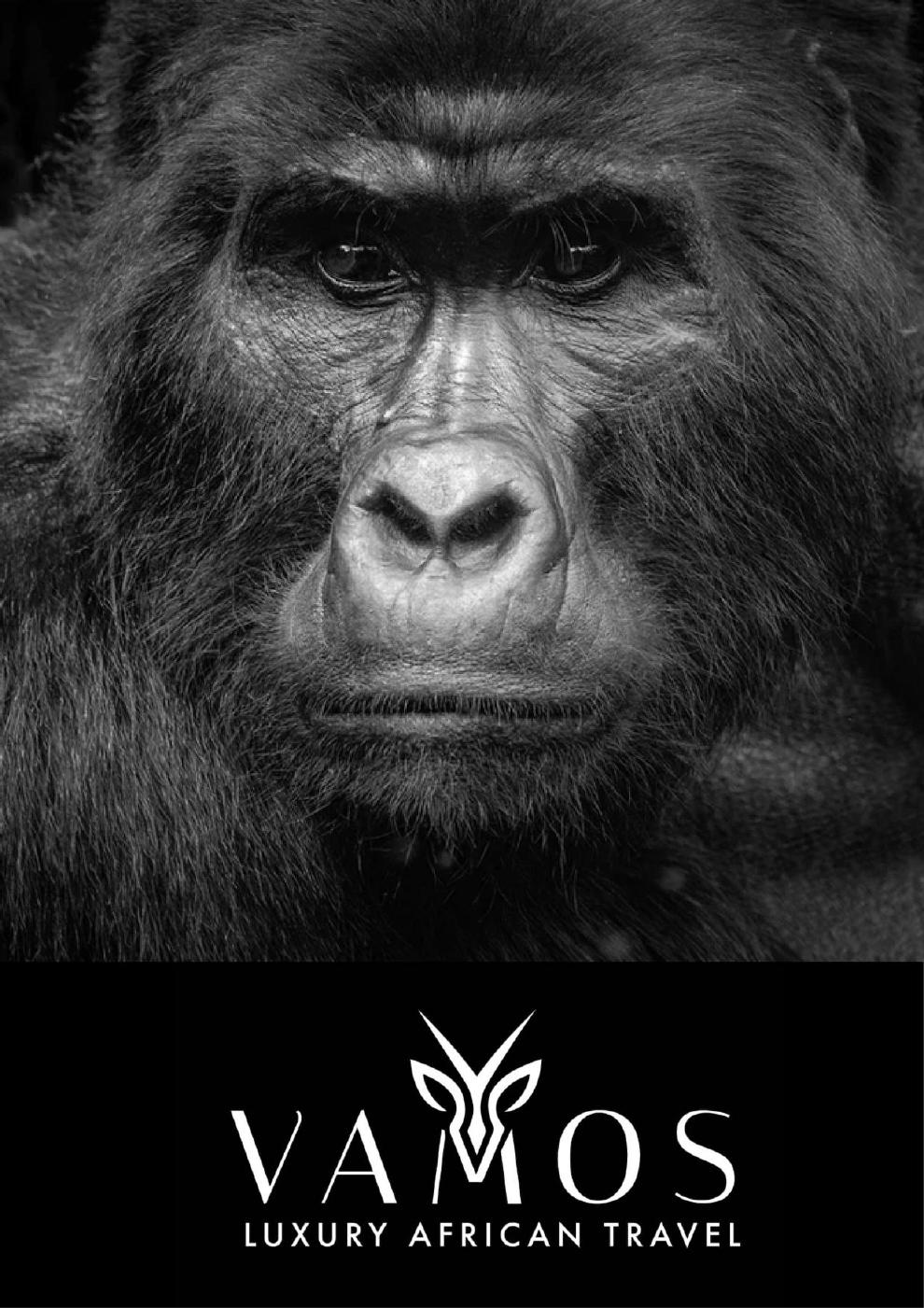
Uganda is home to half the world’s Mountain Gorilla population and the only country with tree climbing lions. Seeing these animals up close in their natural habitat is one of the most impressive wildlife encounters in Africa. Visiting the gorillas directly supports conservation efforts and livelihood of the host communities.
Mountain Gorillas of Bwindi: A Conservation Success Story
Introduction Bwindi Impenetrable National Park in southwestern Uganda is renowned for its population of mountain gorillas. These magnificent creatures are one of the world’s most endangered primates, and Bwindi is one of the few places where visitors can see them in their natural habitat. The park, a UNESCO World Heritage site, offers a unique and unforgettable experience for wildlife enthusiasts and conservationists.
Click on the itineraries below for more details on each one.


Habitat and Population Bwindi Impenetrable National Park is characterized by its dense rainforest, steep ridges, and valleys. This rugged terrain provides an ideal habitat for the mountain gorillas. The park covers an area of approximately 321 square kilometers and is home to nearly half of the world’s mountain gorilla population, estimated at around 459 individuals as of the latest census.
Gorilla Families and Trekking Bwindi is divided into four main sectors for gorilla trekking: Buhoma, Ruhija, Rushaga, and Nkuringo. Each sector is home to several habituated gorilla families that tourists can visit. Habituation is a process where gorillas become accustomed to human presence, allowing for safe and sustainable tourism.
- Buhoma: The oldest and most popular sector, known for its accessibility and established trekking routes.
- Ruhija: Offers a more remote and quieter experience with fewer tourists.
- Rushaga: Known for its higher number of habituated gorilla families, providing more trekking options.
- Nkuringo: Located in the southern part of the park, this sector is known for its challenging treks and stunning scenery.

Trekking Experience Gorilla trekking in Bwindi is a guided adventure that typically starts early in the morning. Small groups of tourists, led by experienced guides and trackers, set off into the forest to find a gorilla family. Treks can vary in length and difficulty, ranging from a few hours to a full day, depending on the location of the gorillas.
The experience of encountering mountain gorillas is unparalleled. Observing these gentle giants up close in their natural habitat, watching them feed, play, and interact, is both awe-inspiring and humbling. Strict guidelines are followed to ensure the safety and well-being of both gorillas and visitors, including maintaining a safe distance and limiting the time spent with the gorillas to one hour.
Conservation Efforts The conservation of mountain gorillas in Bwindi has been a remarkable success story, thanks to the combined efforts of the Ugandan government, international organizations, and local communities. Key initiatives include:
- Anti-Poaching Measures: Intensive anti-poaching patrols and law enforcement have significantly reduced the threat of poaching.
- Habitat Protection: Efforts to protect and expand the gorillas’ natural habitat have been crucial in ensuring their survival.
- Community Involvement: Local communities are actively involved in conservation efforts and benefit from tourism revenue through initiatives such as revenue sharing, employment opportunities, and community development projects.
- Research and Monitoring: Continuous research and monitoring help track gorilla health, behavior, and population dynamics, informing conservation strategies.
Visitor Guidelines To minimize the impact on gorillas and their habitat, visitors must adhere to specific guidelines:
- Maintain a distance of at least 7 meters (about 23 feet) from the gorillas.
- Do not eat, drink, or smoke near the gorillas.
- Avoid direct eye contact and sudden movements.
- Follow the guide’s instructions at all times.
- Visitors must be free of contagious diseases, such as colds or flu, to prevent transmitting illnesses to the gorillas.
Getting There Bwindi Impenetrable National Park is accessible by road and air. The park is approximately 460 kilometers from Kampala, Uganda’s capital, and the journey by road can take about 8 to 10 hours. Alternatively, visitors can fly from Entebbe International Airport or Kampala’s Kajjansi Airfield to airstrips near the park, followed by a short drive to the park’s headquarters.
Conclusion Bwindi Impenetrable National Park offers an extraordinary opportunity to encounter mountain gorillas in the wild. The success of conservation efforts in Bwindi is a testament to the power of collaborative action in protecting endangered species. A visit to Bwindi not only provides a once-in-a-lifetime wildlife experience but also contributes to the ongoing conservation of these incredible animals and their habitat.
More about the gorillas in Uganda