

Kampala and Entebbe, Cities of Culture
Kampala, the capital city of Uganda, is a vibrant blend of modernity and tradition, offering a dynamic cultural experience. The city is a melting pot of Uganda’s rich history, diverse ethnic groups, and contemporary influences, making it an exciting destination for travelers who want to dive into the heart of Ugandan culture.
Here’s a guide to exploring Kampala’s cultural scene:
1. Ugandan Music and Dance
- Traditional Music: Kampala is the center of Uganda’s music scene, blending both traditional Ugandan sounds and modern genres like Afrobeat, reggae, and hip-hop. Traditional music is characterized by rhythms from drums and instruments like the adungu (a stringed instrument), the engoma (drum), and the endongo (a lyre).
- The Bakiga, Baganda, and Basoga are just a few of the many Ugandan ethnic groups whose music you’ll encounter in Kampala. You might find traditional dance performances at local cultural centers, weddings, or festivals.
- Contemporary Music: Kampala is home to Uganda’s most famous musicians, including Bebe Cool, Jose Chameleone, Eddy Kenzo, and Cindy Sanyu, whose music influences the younger generations. The Kampala music scene is a mix of live performances, clubs, and street music.
- Kampala’s Nightlife: For a taste of urban Ugandan music, head to the Nakasero, Kisementi, or Kololo neighborhoods, where you can find live music, dance performances, and club events that feature local and international DJs.
2. Ugandan Dance
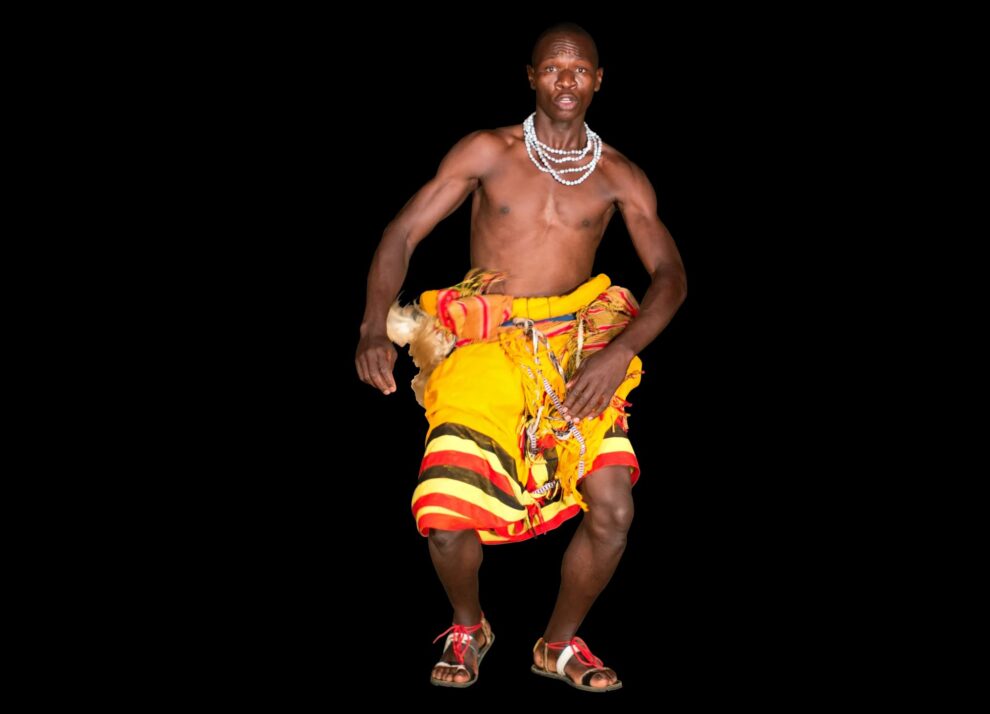
- Dance plays a central role in Ugandan culture. Traditional dances are often tied to ceremonies, celebrations, or rituals and are performed during festivals, weddings, or harvests. The Bakiga and Bakonjo people have a famous ceremonial dance, while the Baganda have their own signature dances like Batikyambala and Ngalabi.
- Cultural performances in Kampala often include energetic traditional dances. The Ndere Cultural Centre in the city is an excellent place to experience a fusion of traditional Ugandan dance and drumming. You’ll witness dances representing various ethnic groups such as the Banyankole, Banyarwanda, Bagisu, and Basoga.
3. Museums and Cultural Centers
Kampala offers a wealth of museums and cultural centers that showcase the history, art, and traditions of Uganda.
- Uganda National Museum: Located in the Kavule area, this museum offers exhibits on Uganda’s prehistory, culture, ethnography, and natural history. You’ll find displays on Uganda’s diverse tribal groups, ancient tools, and historical artifacts, as well as exhibits on wildlife and traditional crafts.
- Nommo Gallery: Uganda’s premier visual arts gallery in the city, featuring works from local Ugandan and regional artists. It’s an excellent place to learn about contemporary Ugandan art.
- Ndere Cultural Centre: As mentioned, this is one of Kampala’s cultural gems. It offers dance performances, music shows, and traditional storytelling, providing a window into Uganda’s diverse cultures.
- The Uganda Martyrs Shrine, Namugongo: A historically significant site, this shrine commemorates the Uganda Martyrs who were executed in 1886 for their Christian faith. The shrine is located a short drive from Kampala and is an important cultural and religious landmark.
- The Uganda Museum of Modern Art: A place for contemporary and modern Ugandan art, focusing on both emerging artists and well-established figures. You can explore Ugandan visual culture, fashion, and design here.
4. Ugandan Cuisine
Food in Kampala is a blend of indigenous and global flavors. Street food is a big part of the cultural scene, and you can find it almost everywhere—on street corners, in local markets, or at small cafes.
- Matoke (Plantains): A staple food in Uganda, often served boiled or fried. It’s usually eaten with meat or beans.
- Luwombo: A traditional Ugandan dish where meat (usually chicken or beef) is steamed in banana leaves with spices, vegetables, and peanut paste.
- Rolex: A favorite street food in Kampala, a rolex is a rolled-up chapati filled with eggs, vegetables, and sometimes sausage.
- Posho and Beans: Posho (maize flour) is a common food, often served with beans or groundnut sauce. It’s the Ugandan version of ugali in other parts of Africa.
- Beef or Chicken Kebabs: Street vendors in Kampala sell skewers of grilled meat, typically served with kachumbari (tomato and onion salad).
- Matoke and Pork: Plantains and fried pork are a beloved combination in Kampala’s eateries.
Restaurants: Kampala boasts a mix of fine dining and local eateries. Popular spots for traditional Ugandan dishes include The Lweza Restaurant, Cafe Javas, and The Tandoor for a fusion of Indian and African flavors.
5. Crafts and Souvenirs
Kampala is the best place to shop for Ugandan crafts, offering a range of handmade goods that reflect the country’s rich cultural diversity.
- Markets: The bustling Owino Market (also known as Nakasero Market) is one of the best places to find local crafts and textiles. You can shop for everything from wooden carvings, beaded jewelry, traditional baskets, and African fabrics (such as kitenge).
- Craft Villages: Uganda has several craft villages, such as the Craft Village at the National Theatre, where you can find beautiful hand-made pottery, paintings, woodwork, and masks.
- Beaded Jewelry and Textiles: Local artisans specialize in intricate beadwork, weaving, and textile arts. These items often carry symbolic meaning and are crafted using traditional methods passed down through generations.
6. Religious and Spiritual Culture
- Christianity is Uganda’s dominant religion, with Catholicism and Anglicanism having strong influences. Churches like St. Paul’s Cathedral in Namirembe (the oldest Anglican church in Uganda) and The Rubaga Cathedral (a center for Catholic worship) reflect the historical religious culture.
- Islam is also practiced by a sizable portion of the population, with mosques like the Kampala Mosque in Old Kampala being notable landmarks.
- Traditional African Beliefs: Even with the dominance of Christianity and Islam, many Ugandans still practice traditional African religions, including beliefs in ancestral spirits and nature spirits. This is especially true in rural areas but can also be seen in Kampala through rituals, ceremonies, and shrines dedicated to local spirits.
7. Festivals and Events
Kampala hosts a range of festivals and events that celebrate Uganda’s rich cultural heritage:
- Kampala City Festival: A lively celebration of Kampala’s cultural diversity, showcasing music, dance, fashion, and food. It’s a street party with performances from local musicians, dancers, and artists.
- The Bayimba International Festival of the Arts: A multi-day event held annually in Kampala, where you can experience a fusion of music, dance, theater, poetry, and visual arts.
- Nile Gold Jazz Festival: A celebration of jazz music that draws international artists alongside local talent. It’s an exciting event for music lovers.
- Igongo Cultural Festival: Held in Western Uganda, this festival brings cultural practices from different Ugandan communities together.
8. Traditional Festivals and Rituals
- Buganda Kingdom: Kampala is the heart of the Buganda Kingdom, and its Kabaka (king) plays a significant role in shaping the cultural identity of the people in the region. You can visit the Kasubi Tombs (a UNESCO World Heritage site) to learn about the kingdom’s royal history and culture.
- Traditional Ceremonies: Many Ugandan tribes celebrate harvests, weddings, and initiation rites with vibrant rituals that often include music, dance, and feasts.
9. Art and Literature
- Ugandan Literature: Kampala is home to several important literary figures, such as Moses Isegawa and Martha Q. Nanziri. The city hosts literary events like book fairs and poetry readings that celebrate Ugandan writers.
- Theatre: Kampala has a thriving theatre scene, with plays often depicting Uganda’s political history, social issues, and cultural traditions. The National Theatre is a cultural hub where live performances and artistic expressions can be enjoyed.
Kampala is a dynamic, culturally rich city that reflects Uganda’s diverse heritage, from traditional dances to modern-day music and art. Whether you’re looking to enjoy a traditional performance, taste the local food, or shop for unique crafts, Kampala offers something for every culture lover.
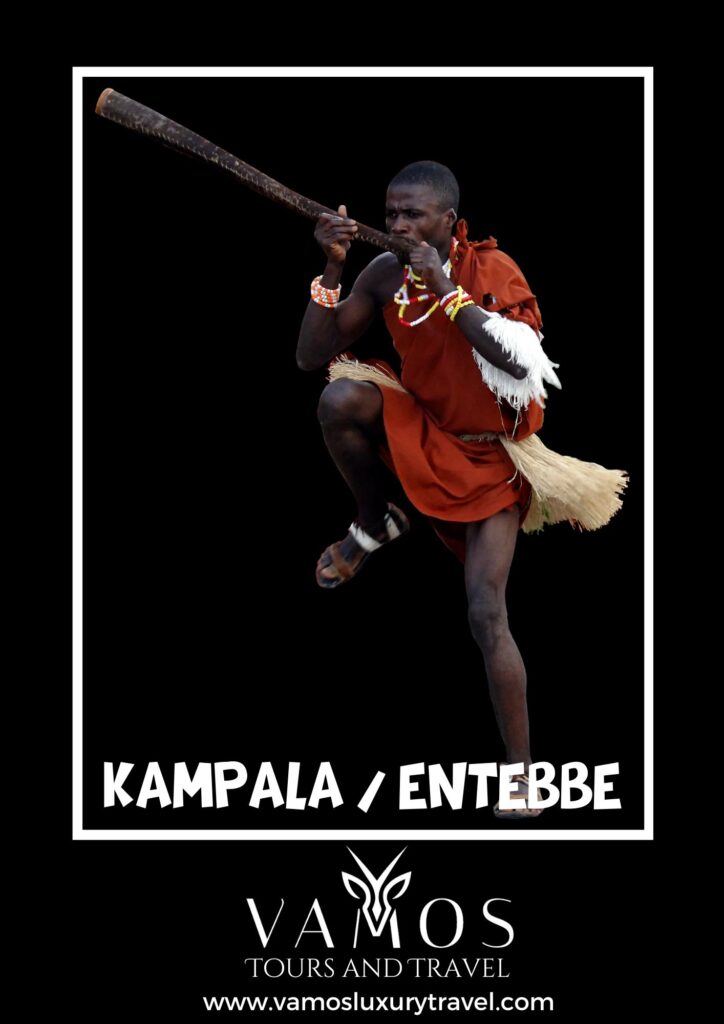
Download the itinerary here or click on the image above for an online link …
Entebbe
ntebbe, Uganda, offers a mix of natural beauty, wildlife, and cultural experiences. Here are some top activities you can do in Entebbe:
Nature & Wildlife
- Uganda Wildlife Education Centre (UWEC) – A mini-zoo and conservation center with native wildlife like lions, chimpanzees, and giraffes.
- Ngamba Island Chimpanzee Sanctuary – A boat trip to an island dedicated to rescuing and rehabilitating orphaned chimpanzees.
- Mabamba Swamp – A birdwatcher’s paradise where you can spot the rare shoebill stork.
- Botanical Gardens – A serene space with diverse plant species, monkeys, and beautiful lake views.
Lake Victoria & Water Activities
- Beach Relaxation – Enjoy the sandy shores at Lido Beach, Aero Beach, or White Sands Beach.
- Boat Cruises – Sunset and fishing boat trips on Lake Victoria.
- Water Sports – Jet skiing, kayaking, and paddleboarding.
Cultural & Historical Sites
- Entebbe Crafts Village – Buy authentic Ugandan crafts and souvenirs.
- State House Entebbe – The official residence of Uganda’s president (can only be viewed from the outside).
- Aero Beach Museum – A unique outdoor museum with old aircraft and historical displays.
Recreational & Adventure Activities
- Golfing – Play at the Entebbe Golf Club, one of East Africa’s oldest courses.
- Cycling & Walking Tours – Explore Entebbe’s scenic streets and green spaces on foot or by bike.
- Reptile Village – Learn about Uganda’s native reptiles, including snakes, crocodiles, and tortoises.
Food & Nightlife
- Lakeside Dining – Enjoy fresh fish and local cuisine at restaurants like Goretti’s Beachside Pizzeria or 2Friends Beach.
- Nightlife – Experience Entebbe’s bars and clubs, such as Faze 3, Red Rooster, and Rider’s Lounge.