

Safaris: An Unforgettable Adventure in the Wild
Introduction Safaris offer an unparalleled opportunity to explore the wild and witness the beauty of nature up close. These guided excursions into wildlife reserves and national parks are designed to provide an immersive experience, allowing participants to observe and appreciate a variety of animals in their natural habitats.
Types of Safaris
- Game Drives: These are typically conducted in open 4×4 vehicles, offering excellent visibility for spotting wildlife. Game drives are often scheduled for early morning or late afternoon when animals are most active.
- Walking Safaris: Led by experienced guides, walking safaris provide a more intimate connection with nature. Participants can learn about animal tracks, plant life, and smaller creatures that are often overlooked during vehicle-based safaris.
- Boat Safaris: Conducted on rivers or lakes, boat safaris offer a unique perspective, particularly for observing aquatic animals like hippos, crocodiles, and various bird species.
- Night Safaris: These safaris take place after sunset and offer the chance to see nocturnal animals such as lions, leopards, and various small predators.
Popular Safaris in Africa include
Known as the quintessential safari destination, Africa boasts numerous famous parks and reserves, including the
- Serengeti,
- Masai Mara,
- Kruger National Park
- Okavango Delta
- Uganda
- Tanzania
Wildlife to Expect Depending on the destination, safari-goers can expect to see a wide variety of animals:
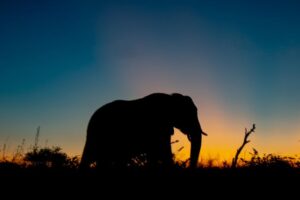
- Big Five: The lion, leopard, rhinoceros, elephant, and Cape buffalo are collectively known as the Big Five and are often the highlight of African safaris.
- Birds: Safaris also offer excellent birdwatching opportunities, with species ranging from large raptors to colorful songbirds.
- Other Mammals: Giraffes, zebras, hippos, and various antelope species are commonly sighted.
Conservation and Sustainability Modern safaris emphasize conservation and sustainability. Many safari operators work closely with local communities and conservation organizations to protect wildlife and their habitats. Ethical tourism practices are promoted, ensuring that wildlife is observed responsibly and that the impact on the environment is minimized.
Conclusion Safaris provide a thrilling and educational adventure, allowing participants to connect with nature and witness the majesty of wildlife in their natural settings. Whether it’s the excitement of spotting the Big Five in Africa, the tranquility of a river safari, or the unique experiences offered in other parts of the world, safaris remain a bucket-list activity for nature enthusiasts and adventure seekers alike.