Key Features of Eastern Europe:
- Geography: Eastern Europe stretches from the Baltic Sea in the north to the Black Sea in the south, and from the Oder River in the west to the Ural Mountains in the east. The region includes both landlocked and coastal countries, with landscapes ranging from the Carpathian Mountains to the plains of Ukraine.
- Countries: The countries typically considered part of Eastern Europe include:
- Bulgaria
- Czech Republic (Czechia)
- Estonia
- Hungary
- Latvia
- Lithuania
- Moldova
- Poland
- Romania
- Slovakia
- Slovenia
- Ukraine
- Belarus
- Russia (sometimes included in Eastern Europe, though it’s often seen as part of both Eastern Europe and Northern Asia)
Some definitions of Eastern Europe also include the Balkans (Greece, Albania, and the former Yugoslav republics), but these are sometimes categorized separately as Southeastern Europe.
History:
- Medieval and Early Modern Periods: Many of the countries in Eastern Europe have rich histories dating back to medieval times, with the formation of early Slavic states, the Byzantine Empire’s influence, and powerful kingdoms like Poland, Hungary, and Bulgaria. The region was also home to the rise and fall of empires like the Ottoman Empire, the Austro-Hungarian Empire, and the Russian Empire.
- Cold War Era: During the 20th century, Eastern Europe became a significant focus during the Cold War. After World War II, much of Eastern Europe came under Soviet influence and was part of the Eastern Bloc, a group of communist countries aligned with the Soviet Union. This era saw political repression, economic centralization, and limited personal freedoms under communist regimes.
- Post-Communism and Transition: In the late 1980s and early 1990s, the Soviet Union began to collapse, and many Eastern European countries transitioned from communism to democracy and market economies. The fall of the Berlin Wall in 1989 was a key moment that marked the end of communist control in the region. The 1990s and 2000s saw many Eastern European countries join the European Union (EU) and NATO, marking their shift toward Western Europe in terms of political and economic alignment.
Visit the link below to see our Eastern European packages
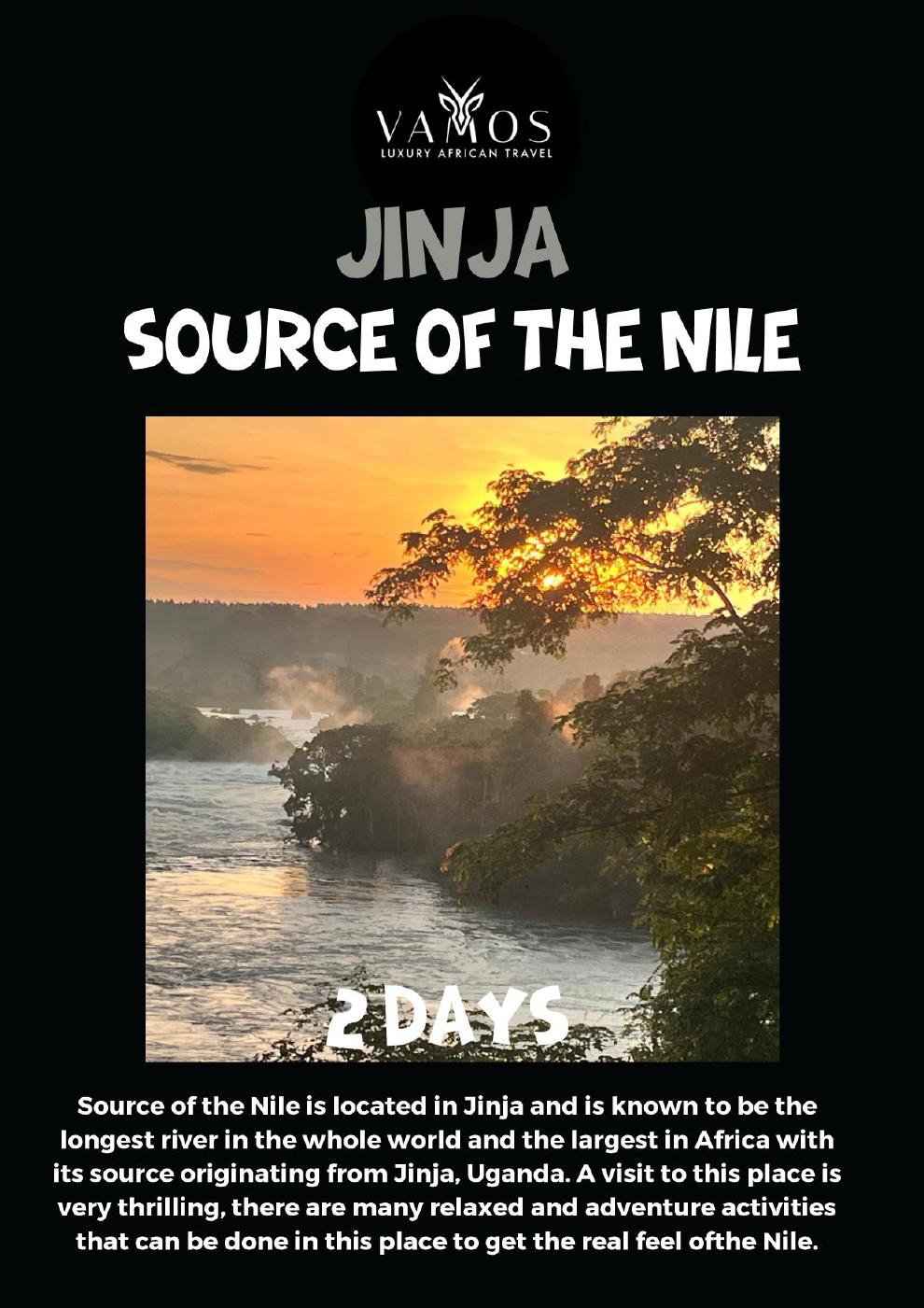
]]>The geography of Africa includes a variety of natural features: the longest river in the world, the Nile; the world’s largest desert, the Sahara; and iconic mountain ranges like the Atlas Mountains and Mount Kilimanjaro. The continent also includes tropical islands such as Madagascar and the Comoros.
Africa has a rich and complex history. It is often considered the “cradle of humanity” because it is where the earliest human ancestors, such as Homo sapiens, evolved. Many ancient civilizations, including Egypt, Carthage, and the Kingdom of Kush, flourished in Africa long before European colonialism. However, Africa’s modern history has been heavily shaped by colonization, which lasted from the late 19th century until the mid-20th century, leaving a legacy of political and economic challenges.
Today, Africa is a continent of contrasts. Some countries are among the world’s fastest-growing economies, particularly in sectors like technology, natural resources, and agriculture. Others continue to face challenges such as poverty, political instability, and health crises. However, Africa is also a place of resilience, with many nations making strides toward development and empowerment.
Culturally, Africa is extremely rich, with thousands of distinct ethnic groups and languages. The continent is known for its art, music (such as Afrobeat, reggae, and traditional drumming), literature, and diverse culinary traditions. African societies have made monumental contributions to world culture and civilization in various fields.
In short, Africa is vast, diverse, and deeply influential, with both challenges and immense potential for the future.
Visit Uganda and South Africa for more on our packages.
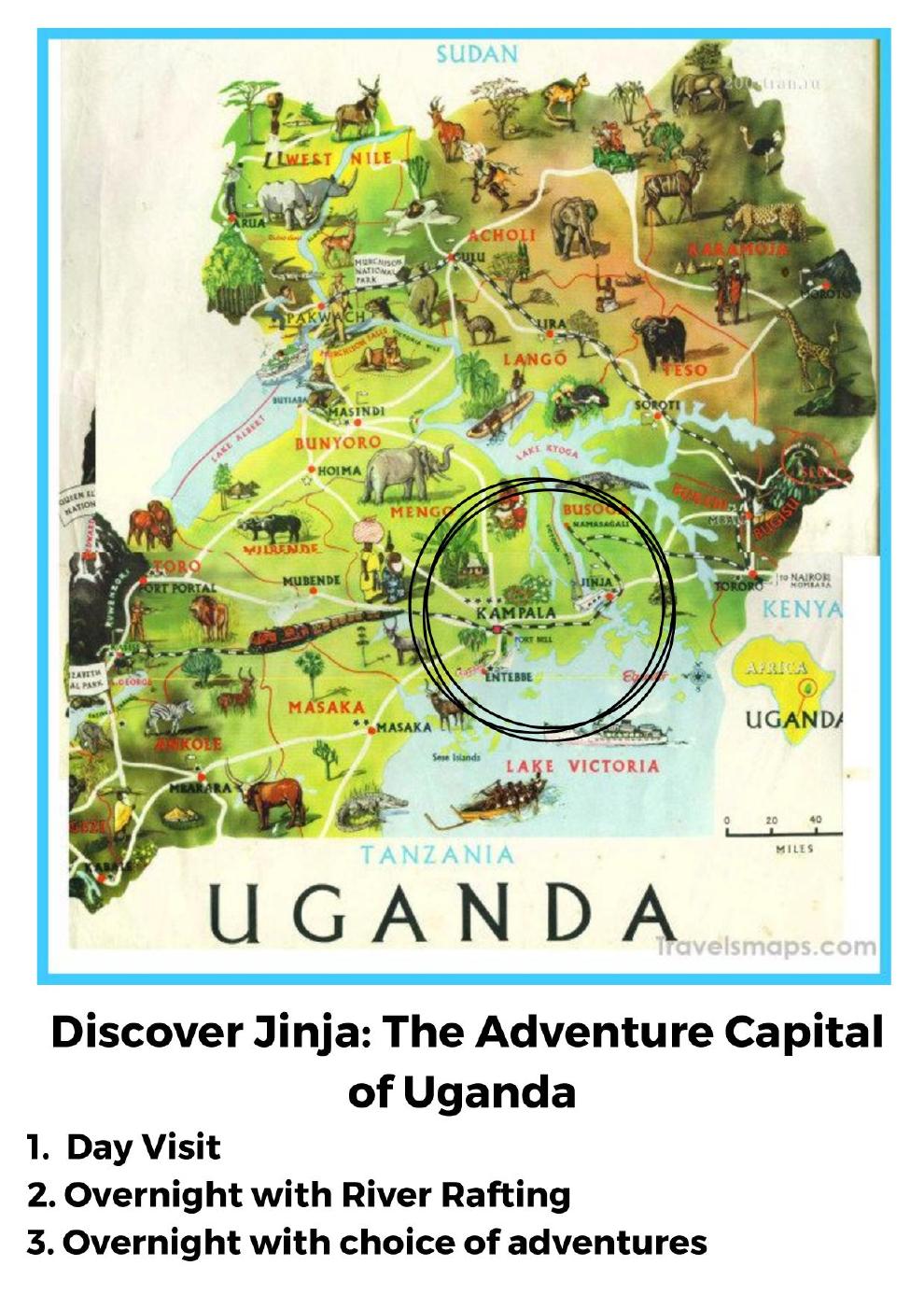
]]>Uganda is often referred to as the “Pearl of Africa” due to its stunning landscapes, rich biodiversity, and unique mix of cultures. The country has a diverse range of ecosystems, including savannas, forests, mountains, and wetlands. One of the most famous natural landmarks is Lake Victoria, the largest lake in Africa, which Uganda shares with Kenya and Tanzania.
Key Facts about Uganda:
- Population: Uganda has a population of around 45 million people (as of 2025), with a young demographic—over half of the population is under the age of 18.
- Languages: English is the official language, but Uganda is home to a wide variety of indigenous languages. Luganda is one of the most widely spoken local languages, along with many others like Runyankore, Rutooro, and Luo.
- Government: Uganda is a republic, and its current president, Yoweri Museveni, has been in power since 1986.
- Economy: The Ugandan economy is largely based on agriculture, with coffee being the main export. The country is also rich in minerals, and tourism plays a growing role, with visitors coming to see wildlife (including mountain gorillas), national parks, and its scenic landscapes.
History:
Uganda’s history has been shaped by both indigenous kingdoms and colonialism. Before British colonization in the late 19th century, the region was home to powerful kingdoms like Buganda, which is still culturally significant today. Uganda gained independence from Britain in 1962.
However, Uganda’s post-independence history has been tumultuous. The 1970s, in particular, were marked by the brutal dictatorship of Idi Amin, whose regime was responsible for widespread human rights abuses. After Amin was overthrown in 1979, Uganda went through a period of civil unrest before Museveni’s rise to power in 1986, bringing stability to the country.
Wildlife and Nature:
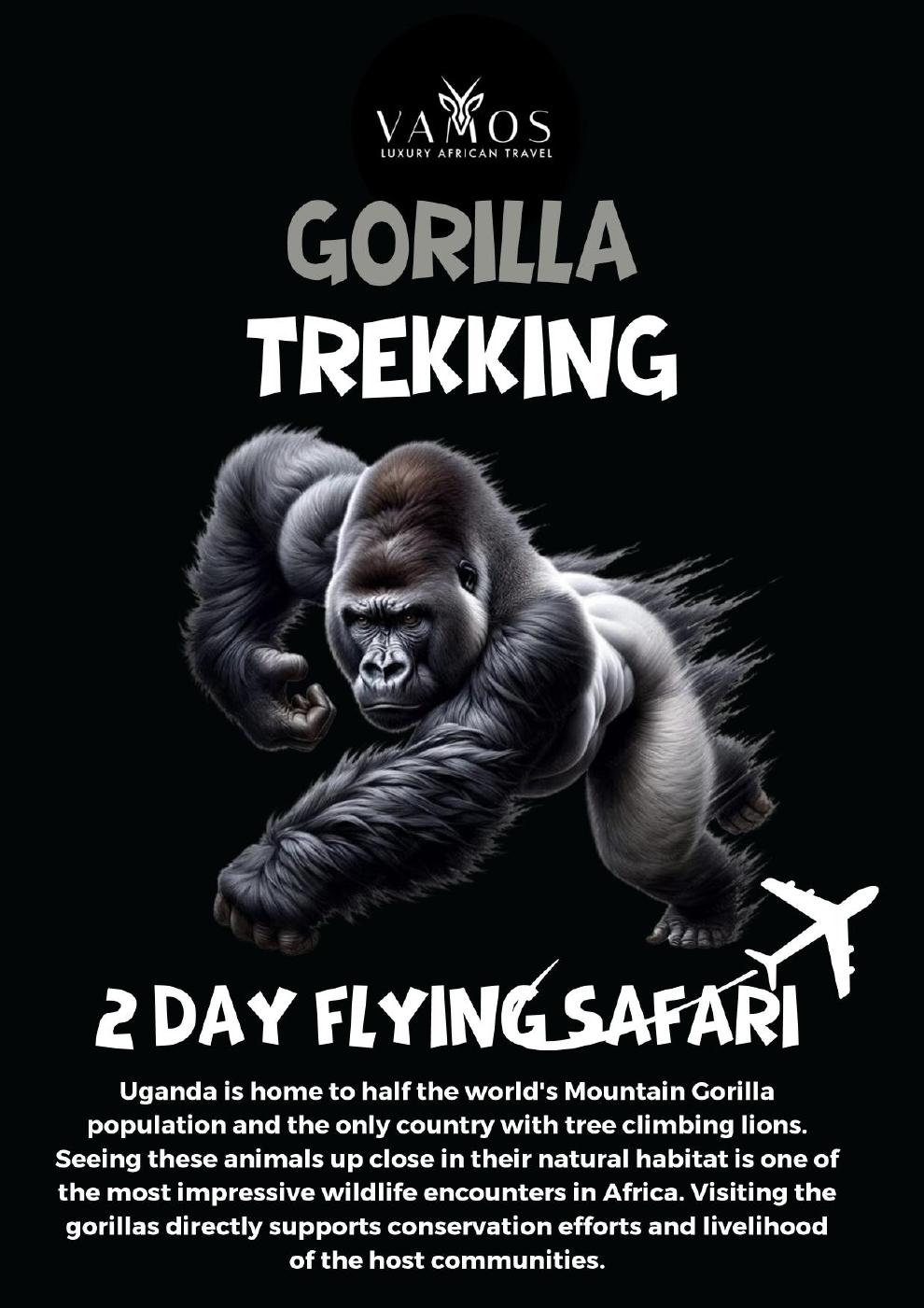
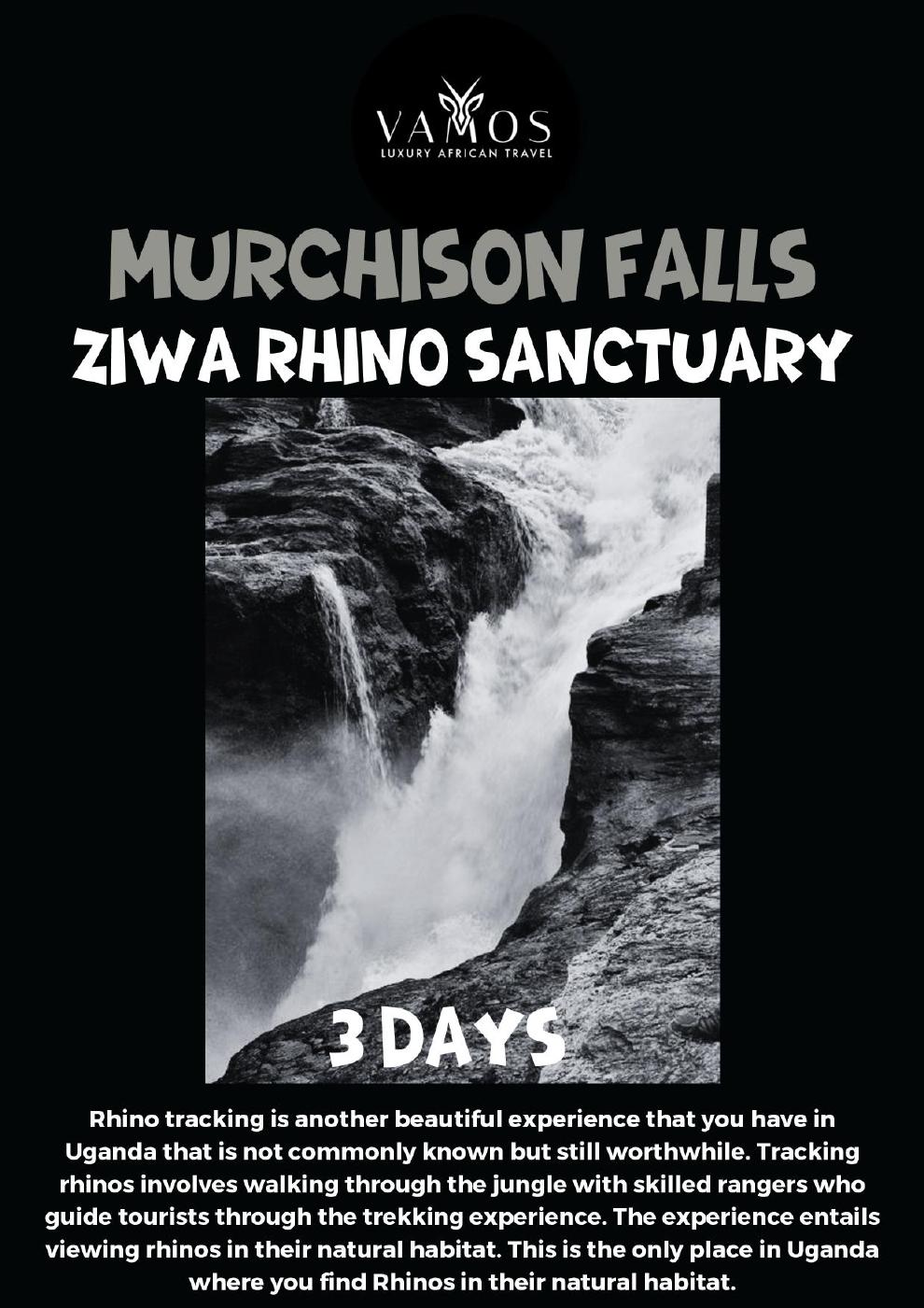
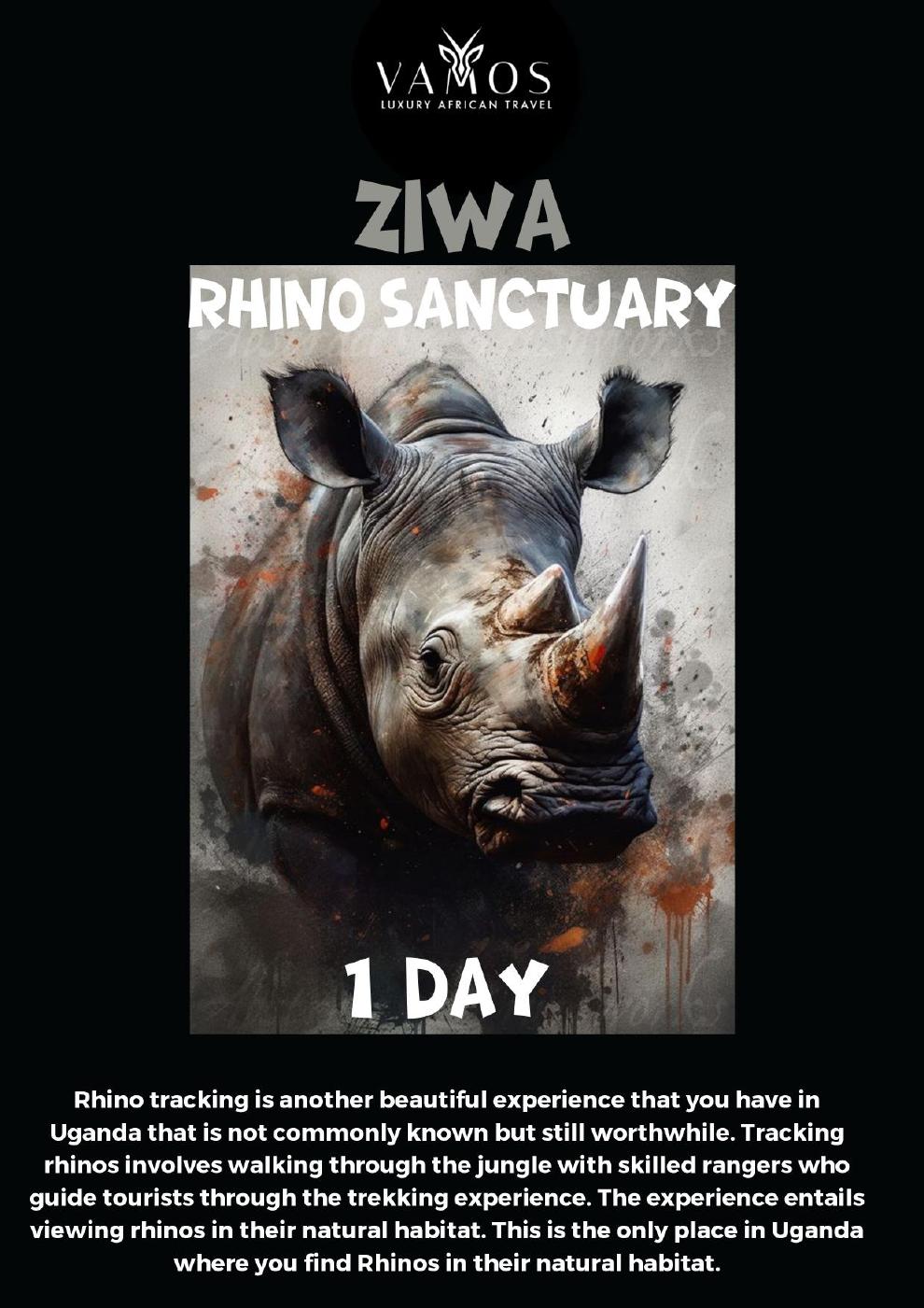
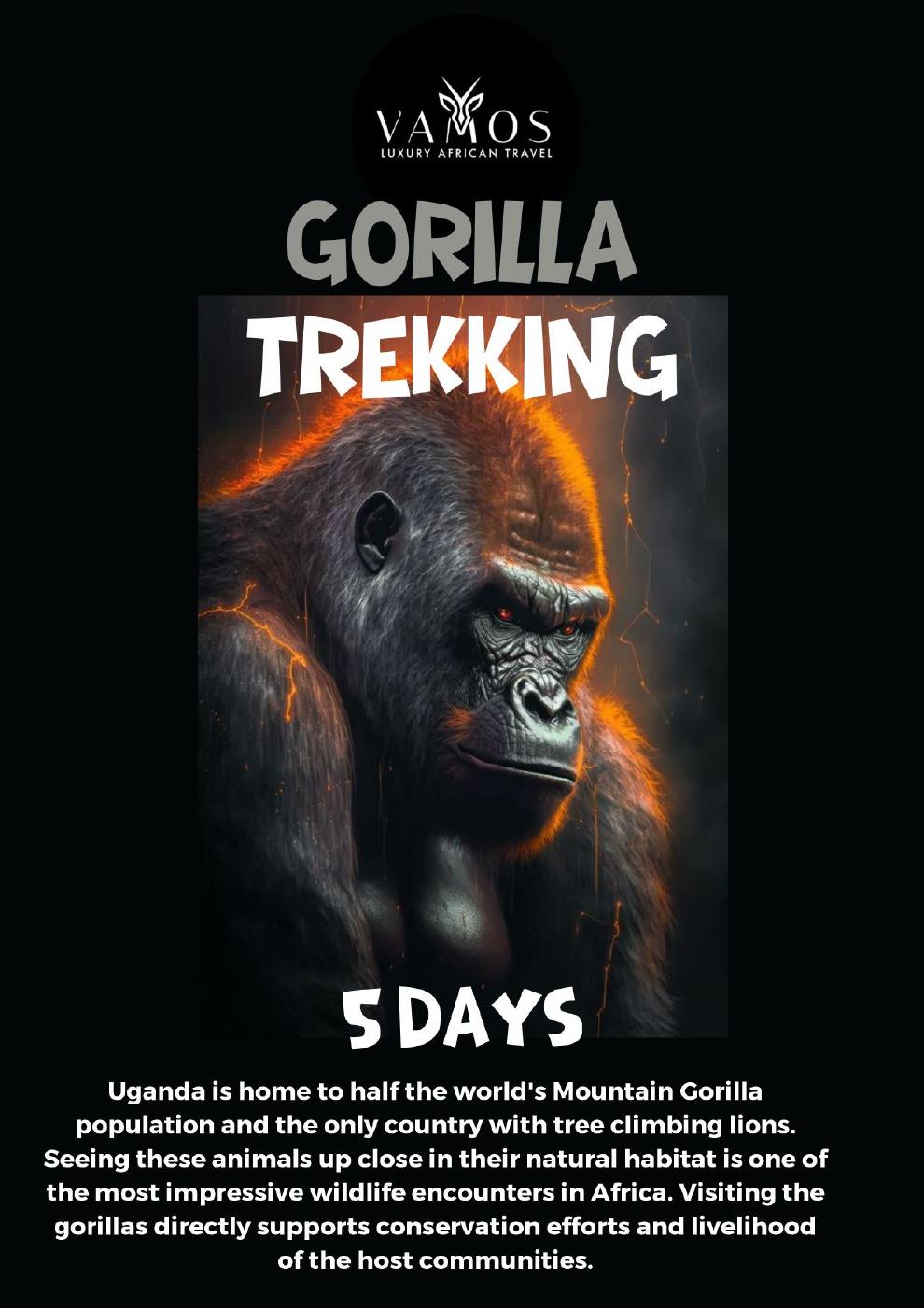
Uganda is famous for its diverse wildlife and is a top destination for eco-tourism. It is one of the few places in the world where you can see mountain gorillas in the wild, particularly in Bwindi Impenetrable National Park and Mgahinga Gorilla National Park. The country is also home to the “Big Five” (lions, elephants, buffalo, leopards, and rhinos) in places like Queen Elizabeth National Park and Murchison Falls National Park.
Culture:
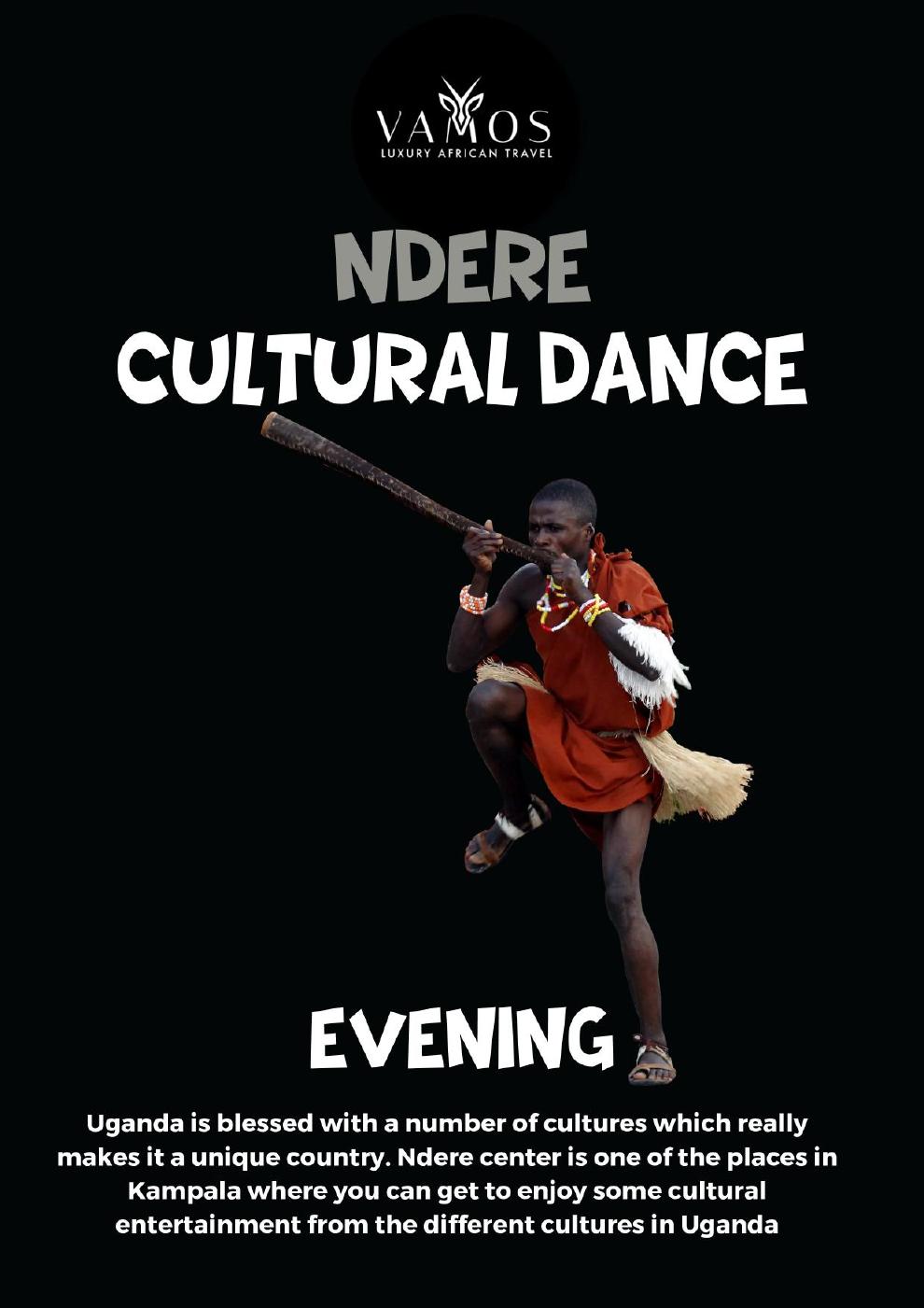
Uganda is a country rich in cultural diversity, with over 50 ethnic groups, each with their own traditions, languages, and ways of life. Music, dance, and storytelling are important aspects of Ugandan culture, and you’ll find many different musical genres across the country, from traditional drumming to modern pop and reggae. Ugandan cuisine features staple foods like matoke (plantains), posho (cornmeal), beans, and fresh vegetables.
Challenges and Opportunities:
While Uganda has made progress in some areas, it still faces challenges like poverty, corruption, and health issues such as HIV/AIDS and malaria. However, the country has experienced relative political stability under Museveni’s long rule, and economic growth, particularly in agriculture and services, has been positive in recent years.
In summary, Uganda is a country with a fascinating blend of history, culture, and natural beauty. It offers a unique mix of challenges and opportunities, making it an interesting place both for visitors and for those studying African development and politics. Click on the link below for more packages from this beautiful country.
And why not find a moment to hear more about Uganda on our podcast …
Find our packages here