Kampala, the capital city of Uganda, is a vibrant blend of modernity and tradition, offering a dynamic cultural experience. The city is a melting pot of Uganda’s rich history, diverse ethnic groups, and contemporary influences, making it an exciting destination for travelers who want to dive into the heart of Ugandan culture.
Here’s a guide to exploring Kampala’s cultural scene:
1. Ugandan Music and Dance
- Traditional Music: Kampala is the center of Uganda’s music scene, blending both traditional Ugandan sounds and modern genres like Afrobeat, reggae, and hip-hop. Traditional music is characterized by rhythms from drums and instruments like the adungu (a stringed instrument), the engoma (drum), and the endongo (a lyre).
- The Bakiga, Baganda, and Basoga are just a few of the many Ugandan ethnic groups whose music you’ll encounter in Kampala. You might find traditional dance performances at local cultural centers, weddings, or festivals.
- Contemporary Music: Kampala is home to Uganda’s most famous musicians, including Bebe Cool, Jose Chameleone, Eddy Kenzo, and Cindy Sanyu, whose music influences the younger generations. The Kampala music scene is a mix of live performances, clubs, and street music.
- Kampala’s Nightlife: For a taste of urban Ugandan music, head to the Nakasero, Kisementi, or Kololo neighborhoods, where you can find live music, dance performances, and club events that feature local and international DJs.
2. Ugandan Dance
- Dance plays a central role in Ugandan culture. Traditional dances are often tied to ceremonies, celebrations, or rituals and are performed during festivals, weddings, or harvests. The Bakiga and Bakonjo people have a famous ceremonial dance, while the Baganda have their own signature dances like Batikyambala and Ngalabi.
- Cultural performances in Kampala often include energetic traditional dances. The Ndere Cultural Centre in the city is an excellent place to experience a fusion of traditional Ugandan dance and drumming. You’ll witness dances representing various ethnic groups such as the Banyankole, Banyarwanda, Bagisu, and Basoga.
3. Museums and Cultural Centers
Kampala offers a wealth of museums and cultural centers that showcase the history, art, and traditions of Uganda.
- Uganda National Museum: Located in the Kavule area, this museum offers exhibits on Uganda’s prehistory, culture, ethnography, and natural history. You’ll find displays on Uganda’s diverse tribal groups, ancient tools, and historical artifacts, as well as exhibits on wildlife and traditional crafts.
- Nommo Gallery: Uganda’s premier visual arts gallery in the city, featuring works from local Ugandan and regional artists. It’s an excellent place to learn about contemporary Ugandan art.
- Ndere Cultural Centre: As mentioned, this is one of Kampala’s cultural gems. It offers dance performances, music shows, and traditional storytelling, providing a window into Uganda’s diverse cultures.
- The Uganda Martyrs Shrine, Namugongo: A historically significant site, this shrine commemorates the Uganda Martyrs who were executed in 1886 for their Christian faith. The shrine is located a short drive from Kampala and is an important cultural and religious landmark.
- The Uganda Museum of Modern Art: A place for contemporary and modern Ugandan art, focusing on both emerging artists and well-established figures. You can explore Ugandan visual culture, fashion, and design here.
4. Ugandan Cuisine
Food in Kampala is a blend of indigenous and global flavors. Street food is a big part of the cultural scene, and you can find it almost everywhere—on street corners, in local markets, or at small cafes.
- Matoke (Plantains): A staple food in Uganda, often served boiled or fried. It’s usually eaten with meat or beans.
- Luwombo: A traditional Ugandan dish where meat (usually chicken or beef) is steamed in banana leaves with spices, vegetables, and peanut paste.
- Rolex: A favorite street food in Kampala, a rolex is a rolled-up chapati filled with eggs, vegetables, and sometimes sausage.
- Posho and Beans: Posho (maize flour) is a common food, often served with beans or groundnut sauce. It’s the Ugandan version of ugali in other parts of Africa.
- Beef or Chicken Kebabs: Street vendors in Kampala sell skewers of grilled meat, typically served with kachumbari (tomato and onion salad).
- Matoke and Pork: Plantains and fried pork are a beloved combination in Kampala’s eateries.
Restaurants: Kampala boasts a mix of fine dining and local eateries. Popular spots for traditional Ugandan dishes include The Lweza Restaurant, Cafe Javas, and The Tandoor for a fusion of Indian and African flavors.
5. Crafts and Souvenirs
Kampala is the best place to shop for Ugandan crafts, offering a range of handmade goods that reflect the country’s rich cultural diversity.
- Markets: The bustling Owino Market (also known as Nakasero Market) is one of the best places to find local crafts and textiles. You can shop for everything from wooden carvings, beaded jewelry, traditional baskets, and African fabrics (such as kitenge).
- Craft Villages: Uganda has several craft villages, such as the Craft Village at the National Theatre, where you can find beautiful hand-made pottery, paintings, woodwork, and masks.
- Beaded Jewelry and Textiles: Local artisans specialize in intricate beadwork, weaving, and textile arts. These items often carry symbolic meaning and are crafted using traditional methods passed down through generations.
6. Religious and Spiritual Culture
- Christianity is Uganda’s dominant religion, with Catholicism and Anglicanism having strong influences. Churches like St. Paul’s Cathedral in Namirembe (the oldest Anglican church in Uganda) and The Rubaga Cathedral (a center for Catholic worship) reflect the historical religious culture.
- Islam is also practiced by a sizable portion of the population, with mosques like the Kampala Mosque in Old Kampala being notable landmarks.
- Traditional African Beliefs: Even with the dominance of Christianity and Islam, many Ugandans still practice traditional African religions, including beliefs in ancestral spirits and nature spirits. This is especially true in rural areas but can also be seen in Kampala through rituals, ceremonies, and shrines dedicated to local spirits.
7. Festivals and Events
Kampala hosts a range of festivals and events that celebrate Uganda’s rich cultural heritage:
- Kampala City Festival: A lively celebration of Kampala’s cultural diversity, showcasing music, dance, fashion, and food. It’s a street party with performances from local musicians, dancers, and artists.
- The Bayimba International Festival of the Arts: A multi-day event held annually in Kampala, where you can experience a fusion of music, dance, theater, poetry, and visual arts.
- Nile Gold Jazz Festival: A celebration of jazz music that draws international artists alongside local talent. It’s an exciting event for music lovers.
- Igongo Cultural Festival: Held in Western Uganda, this festival brings cultural practices from different Ugandan communities together.
8. Traditional Festivals and Rituals
- Buganda Kingdom: Kampala is the heart of the Buganda Kingdom, and its Kabaka (king) plays a significant role in shaping the cultural identity of the people in the region. You can visit the Kasubi Tombs (a UNESCO World Heritage site) to learn about the kingdom’s royal history and culture.
- Traditional Ceremonies: Many Ugandan tribes celebrate harvests, weddings, and initiation rites with vibrant rituals that often include music, dance, and feasts.
9. Art and Literature
- Ugandan Literature: Kampala is home to several important literary figures, such as Moses Isegawa and Martha Q. Nanziri. The city hosts literary events like book fairs and poetry readings that celebrate Ugandan writers.
- Theatre: Kampala has a thriving theatre scene, with plays often depicting Uganda’s political history, social issues, and cultural traditions. The National Theatre is a cultural hub where live performances and artistic expressions can be enjoyed.
Kampala is a dynamic, culturally rich city that reflects Uganda’s diverse heritage, from traditional dances to modern-day music and art. Whether you’re looking to enjoy a traditional performance, taste the local food, or shop for unique crafts, Kampala offers something for every culture lover.
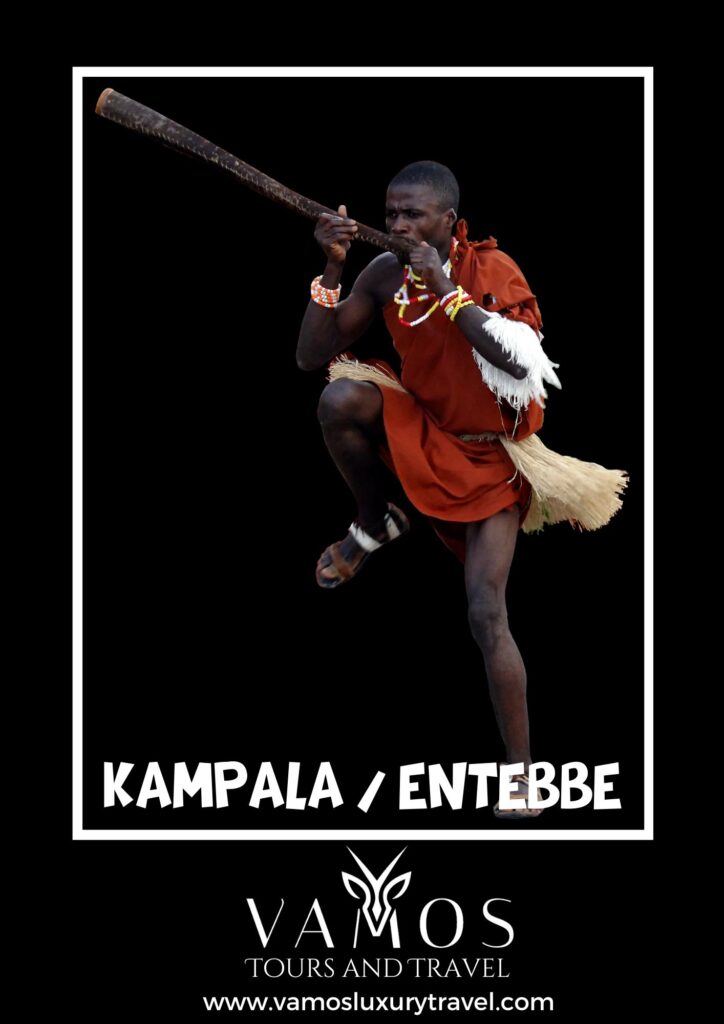
Download the itinerary here or click on the image above for an online link …
Entebbe
ntebbe, Uganda, offers a mix of natural beauty, wildlife, and cultural experiences. Here are some top activities you can do in Entebbe:
Nature & Wildlife
- Uganda Wildlife Education Centre (UWEC) – A mini-zoo and conservation center with native wildlife like lions, chimpanzees, and giraffes.
- Ngamba Island Chimpanzee Sanctuary – A boat trip to an island dedicated to rescuing and rehabilitating orphaned chimpanzees.
- Mabamba Swamp – A birdwatcher’s paradise where you can spot the rare shoebill stork.
- Botanical Gardens – A serene space with diverse plant species, monkeys, and beautiful lake views.
Lake Victoria & Water Activities
- Beach Relaxation – Enjoy the sandy shores at Lido Beach, Aero Beach, or White Sands Beach.
- Boat Cruises – Sunset and fishing boat trips on Lake Victoria.
- Water Sports – Jet skiing, kayaking, and paddleboarding.
Cultural & Historical Sites
- Entebbe Crafts Village – Buy authentic Ugandan crafts and souvenirs.
- State House Entebbe – The official residence of Uganda’s president (can only be viewed from the outside).
- Aero Beach Museum – A unique outdoor museum with old aircraft and historical displays.
Recreational & Adventure Activities
- Golfing – Play at the Entebbe Golf Club, one of East Africa’s oldest courses.
- Cycling & Walking Tours – Explore Entebbe’s scenic streets and green spaces on foot or by bike.
- Reptile Village – Learn about Uganda’s native reptiles, including snakes, crocodiles, and tortoises.
Food & Nightlife
- Lakeside Dining – Enjoy fresh fish and local cuisine at restaurants like Goretti’s Beachside Pizzeria or 2Friends Beach.
- Nightlife – Experience Entebbe’s bars and clubs, such as Faze 3, Red Rooster, and Rider’s Lounge.
1. The Big Five:
While Uganda is best known for its primates, it also has its share of iconic African wildlife. The Big Five (lion, elephant, buffalo, leopard, and rhinoceros) can be seen in several of Uganda’s national parks.
- Lions: Uganda’s lions are primarily found in Queen Elizabeth National Park, particularly in the Ishasha sector, where the famous tree-climbing lions can be spotted lounging in fig trees.
- Elephants: Elephants roam in various parks, but Murchison Falls National Park and Queen Elizabeth are particularly famous for their large herds.
- Buffalo: Buffalo are widespread across Uganda, and you’ll see large herds in parks like Murchison Falls, Queen Elizabeth, and Lake Mburo.
- Leopards: Leopards are more elusive, but with patience and a skilled guide, you might spot them at night during a game drive, particularly in Kidepo Valley National Park and Queen Elizabeth National Park.
- Rhinos: Ziwa Rhino Sanctuary is the best place to see white rhinos in Uganda, as they are no longer found in the wild.
2. Gorillas and Primate Treks
Uganda is one of the world’s best destinations for primate viewing, especially for gorilla trekking and chimpanzee tracking.
- Mountain Gorillas:
- Best Spot: Bwindi Impenetrable Forest and Mgahinga Gorilla National Park.
- What to Expect: Tracking mountain gorillas through thick rainforest is an exhilarating experience. Uganda’s gorilla trekking permits are relatively affordable compared to Rwanda, and it’s a truly intimate, once-in-a-lifetime encounter with one of the world’s most endangered species.
- Chimpanzees:
- Best Spot: Kibale National Park is the best place for chimpanzee trekking in Uganda. It’s known for its high density of chimps, and you can track them through the forest, watching them interact and feed.
- Other Primates: Uganda is also home to baboons, colobus monkeys, red-tailed monkeys, vervet monkeys, and l’Hoest’s monkeys. Budongo Forest (in Murchison Falls National Park) and Semuliki National Park are excellent places to spot other primate species.
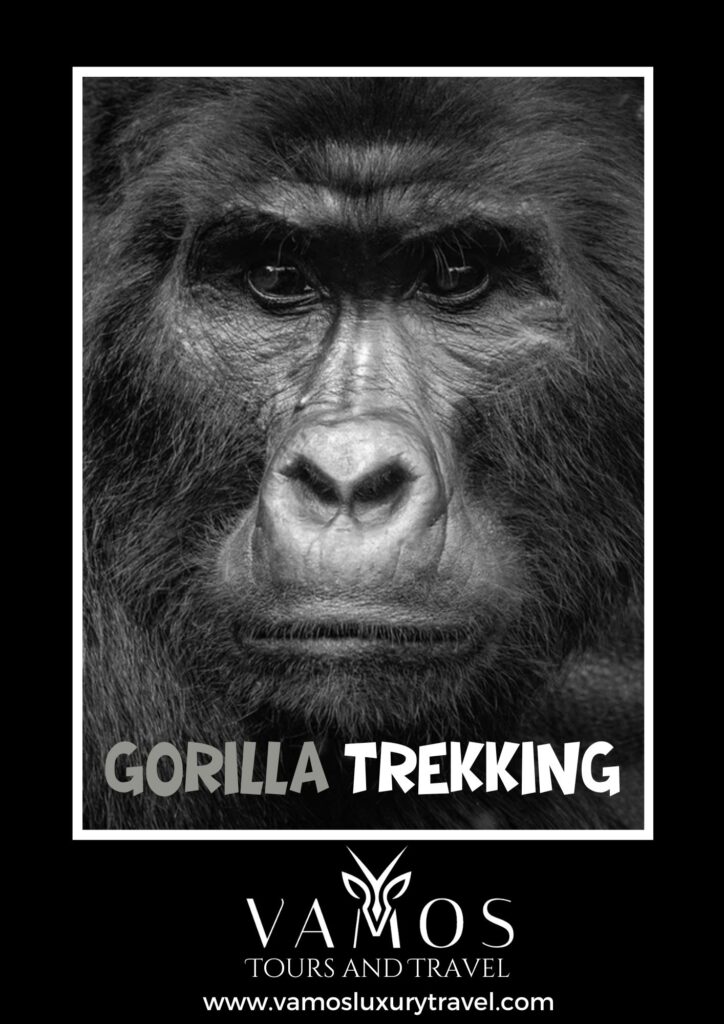
3. Birdlife:
Uganda is a birdwatcher’s haven, with over 1,000 species of birds, many of which are rare or endemic.
- Shoebill Stork: One of the most sought-after birds, the shoebill can be spotted in Murchison Falls National Park or Lake Albert, where swampy habitats provide a perfect environment for them.
- The Great Blue Turaco: Found in the forests of Kibale and Bwindi, this vibrant bird is one of the country’s most iconic species.
- Endemic Species: Uganda has several endemic species, such as the Fox’s Weaver, Grey Crowned Crane, and Uganda’s national bird, the Crested Crane. Birding hotspots include Lake Mburo, Lake Bunyonyi, Bwindi Impenetrable Forest, and Semuliki.
4. Unique Wildlife Experiences:
Uganda offers opportunities to see some unique and rare animals:
- The Tree-Climbing Lions of Ishasha, part of Queen Elizabeth National Park, are a phenomenon where lions are often seen lounging in the branches of fig trees. It’s rare and a remarkable sight for visitors.
- Crocodiles and Hippos: These large reptiles can be seen basking in the sun or swimming in the Nile River, especially around Murchison Falls and Queen Elizabeth. The Kazinga Channel in Queen Elizabeth National Park is great for seeing hippos and crocodiles up close.
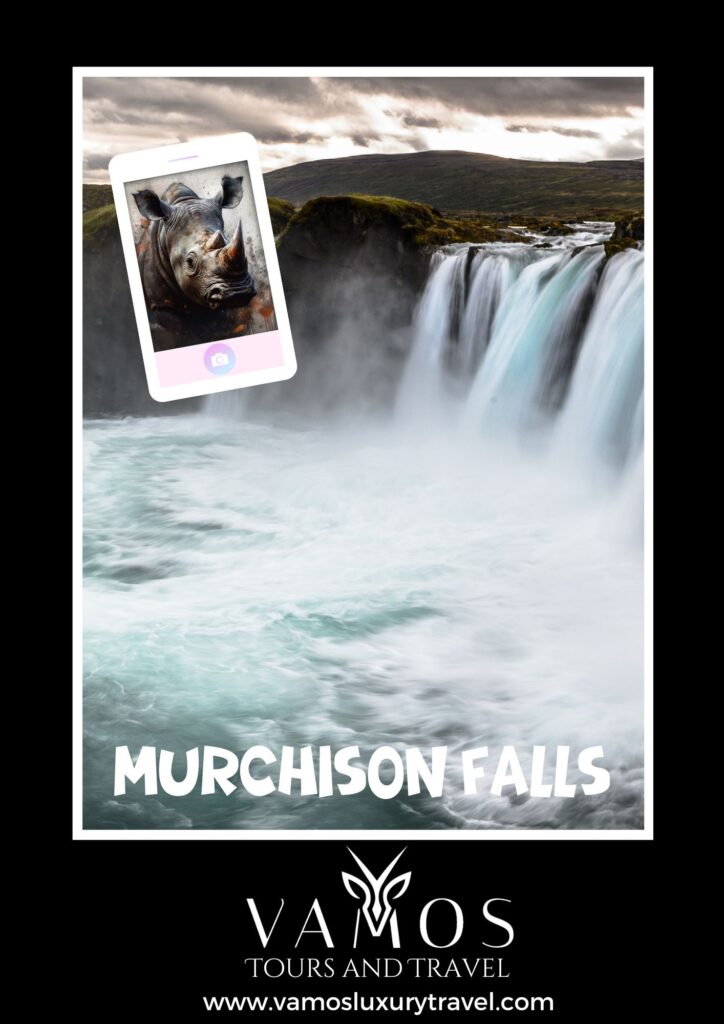
- Giant Forest Hog: These large, nocturnal pigs are rarely seen but can be found in places like Kibale National Park and Murchison Falls. Click on the image below for our flipfile catalogue or download the PDF below.
5. Other Notable Wildlife:
Uganda’s diversity extends far beyond the Big Five and primates, offering the chance to spot a broad range of animals:
- Giraffes: Uganda is home to the Masai giraffe, which can be seen in Murchison Falls National Park and Kidepo Valley.
- Zebras: These striking striped animals are found in Queen Elizabeth, Murchison Falls, and Lake Mburo.
- Antelopes: Uganda hosts several species of antelopes, including waterbucks, kobs, eland, and the Bohor reedbuck.
- Cheetah: Rare but present in Kidepo Valley National Park, cheetahs are one of the fastest land animals and a spectacular sight to catch during a safari.
6. Top National Parks and Wildlife Viewing Spots:
- Murchison Falls National Park: The largest and one of the most diverse parks, offering game drives, boat cruises along the Nile River, and hiking to the powerful Murchison Falls. Known for elephants, lions, leopards, giraffes, hippos, and crocodiles.
- Queen Elizabeth National Park: Known for its diverse wildlife, including the famous tree-climbing lions in Ishasha, as well as elephants, buffalo, leopards, and over 600 species of birds.
- Kidepo Valley National Park: Located in the far northeast, it is one of the most remote and untouched parks in Uganda, famous for its spectacular landscapes and large herds of elephants, lions, giraffes, and cheetahs.
- Lake Mburo National Park: Famous for its diverse wildlife, including zebras, impalas, and buffalo, as well as boat safaris for hippo and birdwatching.
- Bwindi Impenetrable Forest: The best place in the world to see mountain gorillas, and also home to several other primate species, plus birds and unique flora.
- Kibale National Park: The best place in Uganda for chimpanzee tracking and home to many other primate species, along with various forest-dwelling creatures.
- Semuliki National Park: Known for its rich biodiversity, including rare species like the bat-eared fox and pottos, and it’s one of the best places to see forest elephants.
7. Conservation Efforts:
Uganda has made significant strides in wildlife conservation, especially with endangered species like the mountain gorilla and rhinos. The establishment of Ziwa Rhino Sanctuary and continuous efforts to protect the mountain gorilla population have been pivotal. Gorilla tourism has also helped fund conservation efforts in places like Bwindi and Mgahinga.
Uganda also has a number of community-based conservation projects, such as those surrounding Lake Mburo and Queen Elizabeth National Park, where local communities benefit directly from tourism and sustainable wildlife management.
Summary of Wildlife Viewing Tips:
- Best Time for Wildlife: The dry seasons (June to September and December to February) are generally the best for game viewing in Uganda, with animals gathering around water sources and being easier to spot. However, Uganda can be visited year-round.
- Guided Safaris: A knowledgeable guide is essential, especially when tracking primates or navigating dense jungles like Bwindi or Kibale. Guides also help ensure responsible wildlife interaction.
- Activities: In addition to traditional game drives, try boat safaris, walking safaris, or night safaris to experience the wildlife from different perspectives.
Uganda’s wildlife offers a thrilling mix of classic African safaris and primate tracking in some of the world’s most biodiverse regions. Whether you’re following gorillas in the mist, witnessing the Great Migration in Kenya, or spotting rare bird species, Uganda promises a wild adventure like no other.
Would you like help planning your wildlife adventure in Uganda, or need more info on a particular park or animal?
]]>1. Gorilla Trekking in Bwindi Impenetrable Forest
- Why it’s Special: Bwindi is one of the best places in the world to see the critically endangered mountain gorillas. Trekking through dense forest, you get the chance to encounter these majestic creatures up close—an experience that’s both humbling and awe-inspiring.
- The Trek: Treks can last from a few hours to a full day, depending on where the gorillas are located. The experience involves a hike through dense vegetation, crossing rivers and navigating through steep terrain, making it an exciting and physically challenging activity.
- Best Time: Year-round, but the dry seasons (June to September and December to February) are ideal for easier trekking.
Click on the link below or the image to the flip catalogue.
2. Chimpanzee Tracking in Kibale Forest National Park
- Why it’s Special: Kibale is home to one of the highest densities of primates in the world, including habituated chimpanzee groups. Tracking these playful and intelligent creatures in their natural habitat is an exhilarating experience.
- The Trek: Unlike gorilla trekking, chimpanzee trekking is often a bit more challenging due to the forest’s dense undergrowth and hilly terrain, but the rewards are immense as you get to observe these primates in their natural environment.
- Additional Adventures: Kibale also offers other activities such as forest walks and bird watching, with over 300 species of birds.
3. Mountaineering in the Rwenzori Mountains
- Why it’s Special: The Rwenzori Mountains, often called the “Mountains of the Moon,” offer some of the most dramatic landscapes in Africa. With snow-capped peaks, glaciers, alpine meadows, and diverse flora, it’s a stunning area for trekking and mountaineering.
- The Trek: Rwenzori trekking is more technical than many other African mountain climbs, requiring good physical fitness and preparation. There are several routes of varying difficulty levels, but most routes take around 7–10 days to complete.
- Best Time: The best time to visit is during the dry seasons (June to September and December to February) when trekking conditions are more favorable.
4. Wildlife Safaris in Queen Elizabeth National Park
- Why it’s Special: This is one of Uganda’s most popular safari destinations, offering diverse landscapes and a wide variety of wildlife. With savannah, forests, and wetlands, Queen Elizabeth is home to elephants, lions, leopards, buffalo, and a vast array of bird species.
- The Adventure: Game drives, boat cruises on the Kazinga Channel (for hippo and birdwatching), and the opportunity to see tree-climbing lions in the Ishasha sector all add to the excitement. The park also offers walking safaris and cultural interactions with local communities.
- Best Time: Year-round, though the dry season (June to September) offers the best game-viewing opportunities.
5. White Water Rafting on the Nile River
- Why it’s Special: Jinja, located near the source of the Nile, offers one of the best white-water rafting experiences in Africa. The rapids here range from class III to V, making it an exciting and adrenaline-pumping adventure for thrill-seekers.
- The Experience: You can opt for full-day or half-day rafting excursions, and while it’s physically demanding, the stunning scenery along the Nile provides a beautiful backdrop for this heart-racing adventure. If you prefer something less extreme, kayaking and boat tours are also available.
- Best Time: Year-round, although the rainy season (March to May) might make the rapids more intense.
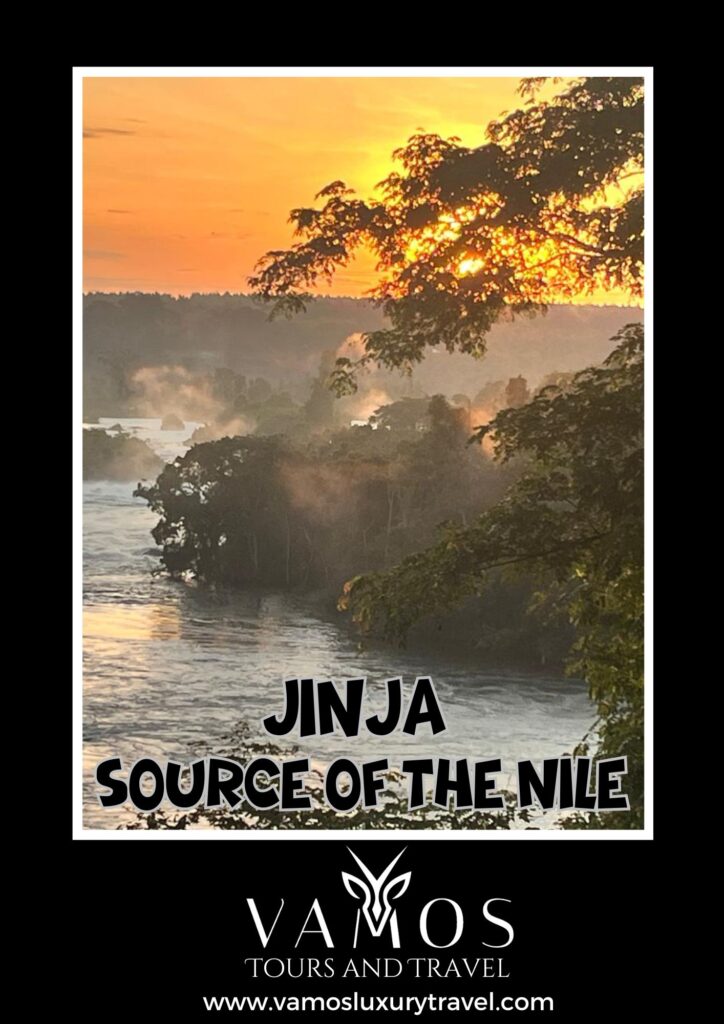
Click on the image below to find our Adventure catalogue or download the PDF
6. Boat Safaris and Island-Hopping on Lake Mburo
- Why it’s Special: While Uganda’s big-game parks like Queen Elizabeth and Murchison Falls are often the main draw, Lake Mburo National Park offers a quieter, more unique experience. It’s one of the few parks where you can enjoy boat safaris, as well as walking safaris.
- The Adventure: On the lake, you can encounter crocodiles, hippos, and various bird species, including the endangered shoebill stork. The park also has areas for horseback riding safaris, offering an exciting and intimate way to explore the wildlife.
- Best Time: The dry season (June to September and December to February) is optimal for wildlife viewing.
7. Murchison Falls and the Nile
- Why it’s Special: Murchison Falls is one of the most spectacular waterfalls in Africa. The Nile River forces its way through a narrow gap, creating a powerful waterfall with a roar that can be heard from miles away. It’s an iconic sight in Uganda.
- The Adventure: Game drives through Murchison Falls National Park offer sightings of elephants, giraffes, lions, and buffalo. The boat ride along the Nile to the base of the falls is a popular experience to watch hippos, crocodiles, and a variety of bird species.
- Best Time: Year-round, but the dry season provides the best access and wildlife sightings.
8. Cultural Adventures and Community Visits
- Why it’s Special: Uganda is rich in cultural diversity with over 56 ethnic groups. Exploring Uganda’s cultures provides a deeper understanding of the country’s people, history, and traditions.
- Cultural Activities: Engage in village visits where you can meet local tribes like the Batwa (pygmy people), the Bakiga, or the Basoga. You can learn traditional music, dance, and cooking, and even participate in hands-on cultural experiences such as bead-making or basket-weaving.
- Best Time: Cultural activities can be enjoyed year-round, though it’s often best to plan with local communities to align with festivals and events.
9. The Sipi Falls in Eastern Uganda
- Why it’s Special: The Sipi Falls, located at the foot of Mount Elgon, is a series of three waterfalls set in a beautiful landscape. Hiking around Sipi Falls offers a wonderful mix of nature, adventure, and cultural immersion.
- The Trek: The trek through the surrounding forests and the villages near the falls takes you past scenic viewpoints, banana plantations, and waterfalls. It’s a relatively easy trek, but still offers a good mix of adventure and nature.
- Best Time: Best visited during the dry season (June to September) for a more comfortable trek.
10. Canoeing and Kayaking on Lake Bunyonyi
- Why it’s Special: Lake Bunyonyi is one of the most scenic spots in Uganda, with over 30 islands to explore. It’s an ideal spot for canoeing or kayaking, offering a peaceful yet adventurous way to discover Uganda’s natural beauty.
- The Experience: Paddle across the calm, clear waters of the lake, surrounded by terraced hillsides and lush landscapes. You can stop at some of the islands, such as the “Punishment Island” or visit local communities.
- Best Time: Year-round, but the dry season offers the best conditions for water-based activities.
How to Plan Your Adventure in Uganda:
- Guides: Uganda’s national parks and adventure activities are well-organized, and expert local guides will enhance your experience, ensuring both safety and insight into the wildlife, culture, and environment.
- Accommodations: Uganda has a range of options from luxury lodges and boutique hotels to more basic campsites and eco-lodges. Depending on your adventure, accommodations can range from tented camps to high-end, all-inclusive lodges.
- Transportation: Roads in Uganda can be bumpy, but a guided tour with private transport (4x4s or chartered flights) ensures comfort and efficiency. For more remote areas, internal flights can save time.
- Best Time to Visit: The dry seasons (June to September and December to February) are ideal for most activities, but some adventures like chimpanzee trekking or gorilla trekking can be done year-round.
Uganda offers an incredible mix of adrenaline and nature, combined with rich culture and stunning landscapes. Would you like more details on specific activities or help in planning a tailored adventure in Uganda?
]]>Ngamba Island: A Sanctuary for Chimpanzees and Eco-Tourism

Introduction Ngamba Island is a stunning sanctuary located on Lake Victoria in Uganda. Renowned for its dedication to chimpanzee conservation, the island offers visitors a unique opportunity to observe and learn about these incredible primates while enjoying the natural beauty of the island.
Chimpanzee Sanctuary Ngamba Island is home to the Ngamba Island Chimpanzee Sanctuary, which provides a safe haven for orphaned and rescued chimpanzees. Established in 1998, the sanctuary spans approximately 100 acres of rainforest, offering a natural habitat for the chimps to thrive.
Visitor Experience Visitors to Ngamba Island can engage in various activities that offer an enriching and educational experience:
- Chimpanzee Feeding: Observe the daily feeding sessions and watch the chimpanzees interact with each other and their environment.
- Guided Tours: Knowledgeable guides provide insightful information about the chimpanzees, their behaviors, and the conservation efforts in place to protect them.
- Forest Walks: Take a walk through the rainforest and learn about the island’s diverse flora and fauna.
- Overnight Stays: Accommodations are available for those who wish to extend their stay, offering a more immersive experience.
Eco-Tourism and Conservation Ngamba Island is a model for eco-tourism and sustainable conservation practices. The sanctuary is committed to:
- Wildlife Conservation: Protecting chimpanzees and their natural habitats through rescue efforts and public education.
- Community Involvement: Engaging with local communities to promote conservation and sustainable livelihoods.
- Environmental Education: Raising awareness about the importance of wildlife conservation and responsible tourism.
Getting There Ngamba Island is accessible by boat from Entebbe, which is about 23 kilometers away. The boat ride provides a scenic journey across Lake Victoria, enhancing the overall experience.
Conclusion Ngamba Island offers a unique blend of adventure, education, and conservation. Visitors not only get to witness the fascinating lives of chimpanzees but also contribute to the ongoing efforts to protect and preserve these remarkable animals. Whether it’s a day trip or an overnight stay, Ngamba Island promises an unforgettable eco-tourism experience.
]]>Introduction Kampala, the capital city of Uganda, is a bustling metropolis that serves as the economic, cultural, and political hub of the country. Located on the shores of Lake Victoria, the city is known for its lively atmosphere, rich history, and diverse attractions, making it a fascinating destination for visitors.
History and Culture Kampala has a rich history that dates back to the 19th century when it was established as the capital of the Buganda Kingdom. The name “Kampala” is derived from the Luganda phrase “kasozi k’empala,” which means “hill of the impala,” referring to the impala antelopes that once roamed the area. Today, Kampala is a melting pot of cultures, blending traditional Buganda heritage with modern influences.
Key Attractions

- Kasubi Tombs: A UNESCO World Heritage Site, the Kasubi Tombs are the burial grounds of Buganda kings and a significant cultural site for the Baganda people. The site offers insight into the history and traditions of the Buganda Kingdom.
- Uganda Museum: The oldest museum in East Africa, the Uganda Museum showcases a wide range of artifacts, including traditional musical instruments, archaeological finds, and ethnographic exhibits that highlight Uganda’s diverse cultural heritage.
- Ndere Cultural Centre: A vibrant cultural venue where visitors can enjoy traditional dance, music, and storytelling performances that showcase the cultural diversity of Uganda.
- Gaddafi National Mosque: One of the largest mosques in Africa, the Gaddafi National Mosque offers stunning views of Kampala from its minaret. It is an architectural marvel and an important religious site in the city.
- Kabaka’s Palace: The official residence of the King of Buganda, the Kabaka’s Palace is an important cultural and historical site. Visitors can learn about the Buganda Kingdom and its monarchy.
Modern Attractions
- Owino Market: Also known as St. Balikuddembe Market, Owino Market is one of the largest and busiest markets in Kampala. It offers a wide variety of goods, from fresh produce to clothing and electronics.
- Acacia Mall: A modern shopping center featuring international brands, restaurants, a cinema, and entertainment options, providing a contemporary shopping experience.
- Kampala’s Nightlife: The city boasts a vibrant nightlife scene with numerous bars, clubs, and live music venues. Popular areas include Kabalagala, Kololo, and Bugolobi, where visitors can enjoy a mix of local and international music and dance.
Green Spaces and Recreation
- Lake Victoria: Kampala’s proximity to Lake Victoria offers opportunities for water-based activities such as boating, fishing, and lakeside relaxation. Munyonyo is a popular resort area on the lake’s shores.
- Botanical Gardens in Entebbe: A short drive from Kampala, these gardens offer a serene escape with a variety of plant species, birdlife, and beautiful lake views.
- Golf Courses: Kampala has several golf courses, including the Uganda Golf Club, providing a scenic and relaxing environment for golf enthusiasts.
Culinary Scene Kampala’s food scene is diverse, reflecting its multicultural population. Visitors can enjoy traditional Ugandan dishes such as matoke (steamed plantains), luwombo (stewed meat or fish in banana leaves), and rolex (a popular street food of rolled chapati with eggs and vegetables). The city also offers international cuisine, with a variety of restaurants serving Indian, Chinese, Italian, and other global dishes.
Transportation and Accessibility Kampala is well-connected by road, with numerous taxis, boda-bodas (motorcycle taxis), and ride-sharing services available. Entebbe International Airport, located about 40 kilometers from Kampala, is the main gateway for international visitors.
Conclusion Kampala is a dynamic and welcoming city that offers a rich tapestry of experiences for visitors. From its historical and cultural sites to its modern attractions and vibrant nightlife, Kampala embodies the spirit of Uganda and provides a captivating destination for travelers seeking to explore the heart of East Africa.
]]>The word ‘endere’ means ‘flute’, the Ndere Troupe therefore means Flute Troupe.

The flute was chosen as a symbol of beauty as it produced such beautiful and irresistable music which can be manipulated to express a range of emotions; from sorrow to joy and from love to loneliness.
It also symbolises universal unity, all peoples of the world have a flute in their cultures. The flute is like the blood that flows in our bodies no matter our external difference. The Ndere Troupe prides itself on emphasizing commonalities and celebrating the rich differences.
The Ndere Troupe is a cultural development that was founded in 1984 by Rwangyezi Stephen.
Uganda Wildlife Education Centre: A Hub for Conservation and Education
Introduction The Uganda Wildlife Education Centre (UWEC), located in Entebbe, is a premier institution dedicated to wildlife conservation, education, and research. Established in 1952 as a sanctuary for injured and orphaned animals, UWEC has grown into a leading center for wildlife education and conservation in Uganda.

Mission and Vision UWEC’s mission is to educate the public about Uganda’s wildlife heritage and the importance of conserving natural ecosystems. The center aims to inspire and engage visitors in wildlife conservation through interactive and informative experiences.
Key Features and Attractions
- Animal Exhibits: UWEC houses a wide variety of animals native to Uganda, including lions, giraffes, chimpanzees, elephants, and numerous bird species. The exhibits are designed to mimic the animals’ natural habitats, providing an immersive experience for visitors.
- Chimpanzee Close-Up: Visitors can enjoy an up-close encounter with chimpanzees, learning about their behavior, social structures, and the challenges they face in the wild.
- Behind-the-Scenes Tours: These tours offer a deeper understanding of the center’s operations, including animal care, veterinary procedures, and conservation efforts.
- Educational Programs: UWEC provides a range of educational programs for schools, families, and tourists. These programs include guided tours, interactive exhibits, and conservation workshops aimed at raising awareness about wildlife and environmental issues.
- Nature Walks: Guided nature walks offer visitors the chance to explore the center’s diverse flora and fauna, including medicinal plants, butterflies, and reptiles.
- Botanical Gardens: The center also features well-maintained botanical gardens showcasing Uganda’s rich plant diversity.
Conservation and Research UWEC plays a crucial role in wildlife conservation and research:
- Rescue and Rehabilitation: The center rescues and rehabilitates injured, orphaned, and confiscated animals, providing them with the care they need before releasing them back into the wild whenever possible.
- Breeding Programs: UWEC participates in breeding programs for endangered species to help boost their populations and ensure their survival.
- Research Initiatives: The center conducts and supports research on wildlife behavior, health, and conservation strategies, contributing valuable knowledge to the field of wildlife management.
Community Involvement UWEC is actively involved in community outreach programs, working closely with local communities to promote conservation and sustainable living. These initiatives include:
- Educational Outreach: Visiting schools and communities to educate about wildlife conservation and the importance of protecting natural habitats.
- Livelihood Programs: Supporting local communities with alternative livelihood projects that reduce reliance on activities harmful to wildlife and the environment.
Visiting UWEC The Uganda Wildlife Education Centre is conveniently located near Entebbe International Airport, making it easily accessible for both local and international visitors. The center is open year-round and offers a variety of visitor packages, including day visits, overnight stays, and special events.
Conclusion The Uganda Wildlife Education Centre is a vital institution for wildlife conservation and education in Uganda. By providing engaging and informative experiences, UWEC fosters a greater understanding and appreciation of Uganda’s rich biodiversity and the need to protect it for future generations. A visit to UWEC is not only an educational journey but also a contribution to the ongoing efforts to preserve Uganda’s natural heritage.
]]>