1. The Big Five:
While Uganda is best known for its primates, it also has its share of iconic African wildlife. The Big Five (lion, elephant, buffalo, leopard, and rhinoceros) can be seen in several of Uganda’s national parks.
- Lions: Uganda’s lions are primarily found in Queen Elizabeth National Park, particularly in the Ishasha sector, where the famous tree-climbing lions can be spotted lounging in fig trees.
- Elephants: Elephants roam in various parks, but Murchison Falls National Park and Queen Elizabeth are particularly famous for their large herds.
- Buffalo: Buffalo are widespread across Uganda, and you’ll see large herds in parks like Murchison Falls, Queen Elizabeth, and Lake Mburo.
- Leopards: Leopards are more elusive, but with patience and a skilled guide, you might spot them at night during a game drive, particularly in Kidepo Valley National Park and Queen Elizabeth National Park.
- Rhinos: Ziwa Rhino Sanctuary is the best place to see white rhinos in Uganda, as they are no longer found in the wild.
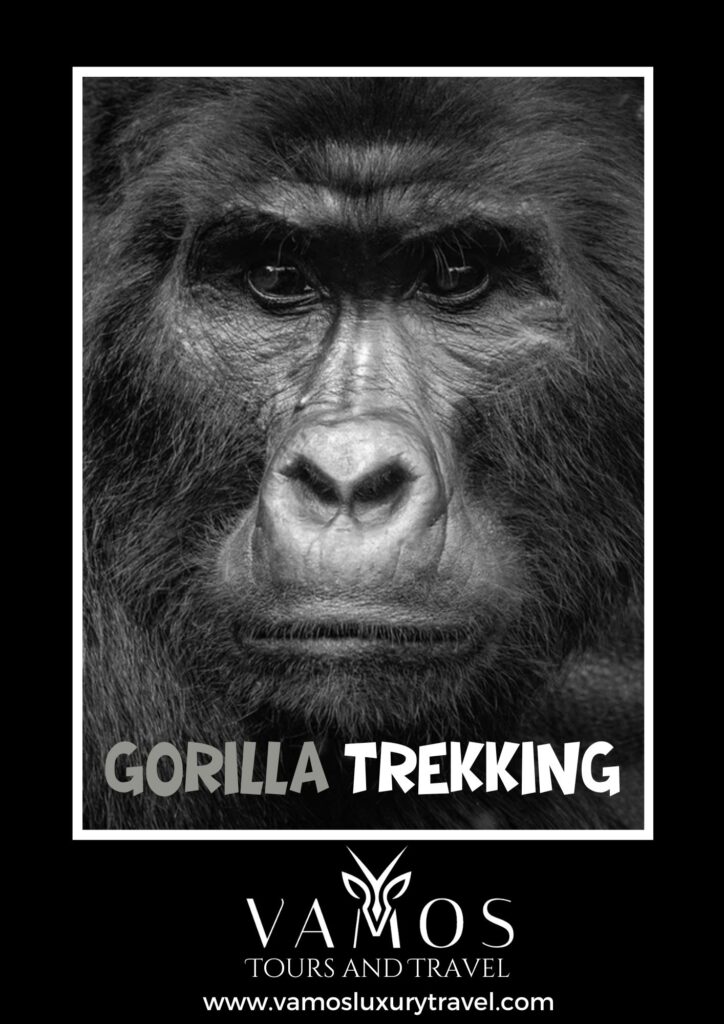
2. Gorillas and Primate Treks
Uganda is one of the world’s best destinations for primate viewing, especially for gorilla trekking and chimpanzee tracking.
- Mountain Gorillas:
- Best Spot: Bwindi Impenetrable Forest and Mgahinga Gorilla National Park.
- What to Expect: Tracking mountain gorillas through thick rainforest is an exhilarating experience. Uganda’s gorilla trekking permits are relatively affordable compared to Rwanda, and it’s a truly intimate, once-in-a-lifetime encounter with one of the world’s most endangered species.
- Chimpanzees:
- Best Spot: Kibale National Park is the best place for chimpanzee trekking in Uganda. It’s known for its high density of chimps, and you can track them through the forest, watching them interact and feed.
- Other Primates: Uganda is also home to baboons, colobus monkeys, red-tailed monkeys, vervet monkeys, and l’Hoest’s monkeys. Budongo Forest (in Murchison Falls National Park) and Semuliki National Park are excellent places to spot other primate species.
3. Birdlife:
Uganda is a birdwatcher’s haven, with over 1,000 species of birds, many of which are rare or endemic.
- Shoebill Stork: One of the most sought-after birds, the shoebill can be spotted in Murchison Falls National Park or Lake Albert, where swampy habitats provide a perfect environment for them.
- The Great Blue Turaco: Found in the forests of Kibale and Bwindi, this vibrant bird is one of the country’s most iconic species.
- Endemic Species: Uganda has several endemic species, such as the Fox’s Weaver, Grey Crowned Crane, and Uganda’s national bird, the Crested Crane. Birding hotspots include Lake Mburo, Lake Bunyonyi, Bwindi Impenetrable Forest, and Semuliki.
4. Unique Wildlife Experiences:
Uganda offers opportunities to see some unique and rare animals:
- The Tree-Climbing Lions of Ishasha, part of Queen Elizabeth National Park, are a phenomenon where lions are often seen lounging in the branches of fig trees. It’s rare and a remarkable sight for visitors.
- Crocodiles and Hippos: These large reptiles can be seen basking in the sun or swimming in the Nile River, especially around Murchison Falls and Queen Elizabeth. The Kazinga Channel in Queen Elizabeth National Park is great for seeing hippos and crocodiles up close.
- Giant Forest Hog: These large, nocturnal pigs are rarely seen but can be found in places like Kibale National Park and Murchison Falls. Click on the image below for our flipfile catalogue or download the PDF below.
5. Other Notable Wildlife:
Uganda’s diversity extends far beyond the Big Five and primates, offering the chance to spot a broad range of animals:
- Giraffes: Uganda is home to the Masai giraffe, which can be seen in Murchison Falls National Park and Kidepo Valley.
- Zebras: These striking striped animals are found in Queen Elizabeth, Murchison Falls, and Lake Mburo.
- Antelopes: Uganda hosts several species of antelopes, including waterbucks, kobs, eland, and the Bohor reedbuck.
- Cheetah: Rare but present in Kidepo Valley National Park, cheetahs are one of the fastest land animals and a spectacular sight to catch during a safari.
6. Top National Parks and Wildlife Viewing Spots:
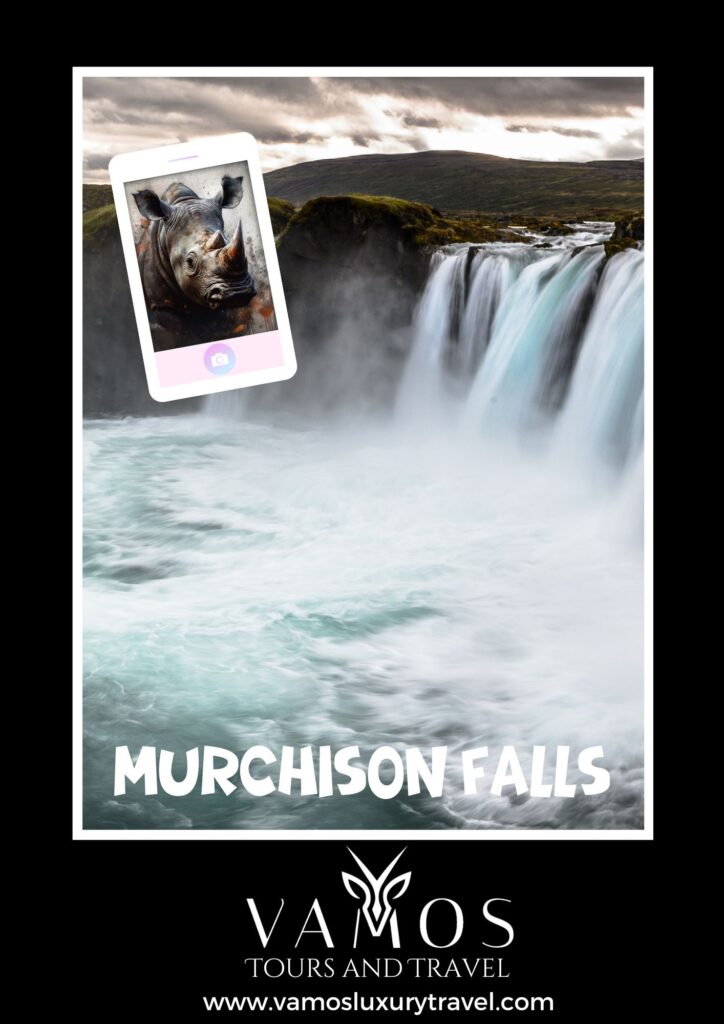
- Murchison Falls National Park: The largest and one of the most diverse parks, offering game drives, boat cruises along the Nile River, and hiking to the powerful Murchison Falls. Known for elephants, lions, leopards, giraffes, hippos, and crocodiles.
- Queen Elizabeth National Park: Known for its diverse wildlife, including the famous tree-climbing lions in Ishasha, as well as elephants, buffalo, leopards, and over 600 species of birds.
- Kidepo Valley National Park: Located in the far northeast, it is one of the most remote and untouched parks in Uganda, famous for its spectacular landscapes and large herds of elephants, lions, giraffes, and cheetahs.
- Lake Mburo National Park: Famous for its diverse wildlife, including zebras, impalas, and buffalo, as well as boat safaris for hippo and birdwatching.
- Bwindi Impenetrable Forest: The best place in the world to see mountain gorillas, and also home to several other primate species, plus birds and unique flora.
- Kibale National Park: The best place in Uganda for chimpanzee tracking and home to many other primate species, along with various forest-dwelling creatures.
- Semuliki National Park: Known for its rich biodiversity, including rare species like the bat-eared fox and pottos, and it’s one of the best places to see forest elephants.
7. Conservation Efforts:
Uganda has made significant strides in wildlife conservation, especially with endangered species like the mountain gorilla and rhinos. The establishment of Ziwa Rhino Sanctuary and continuous efforts to protect the mountain gorilla population have been pivotal. Gorilla tourism has also helped fund conservation efforts in places like Bwindi and Mgahinga.
Uganda also has a number of community-based conservation projects, such as those surrounding Lake Mburo and Queen Elizabeth National Park, where local communities benefit directly from tourism and sustainable wildlife management.
Summary of Wildlife Viewing Tips:
- Best Time for Wildlife: The dry seasons (June to September and December to February) are generally the best for game viewing in Uganda, with animals gathering around water sources and being easier to spot. However, Uganda can be visited year-round.
- Guided Safaris: A knowledgeable guide is essential, especially when tracking primates or navigating dense jungles like Bwindi or Kibale. Guides also help ensure responsible wildlife interaction.
- Activities: In addition to traditional game drives, try boat safaris, walking safaris, or night safaris to experience the wildlife from different perspectives.
Uganda’s wildlife offers a thrilling mix of classic African safaris and primate tracking in some of the world’s most biodiverse regions. Whether you’re following gorillas in the mist, witnessing the Great Migration in Kenya, or spotting rare bird species, Uganda promises a wild adventure like no other.
Would you like help planning your wildlife adventure in Uganda, or need more info on a particular park or animal?
]]>Uganda is home to half the world’s Mountain Gorilla population and the only country with tree climbing lions. Seeing these animals up close in their natural habitat is one of the most impressive wildlife encounters in Africa. Visiting the gorillas directly supports conservation efforts and livelihood of the host communities.
Mountain Gorillas of Bwindi: A Conservation Success Story
Introduction Bwindi Impenetrable National Park in southwestern Uganda is renowned for its population of mountain gorillas. These magnificent creatures are one of the world’s most endangered primates, and Bwindi is one of the few places where visitors can see them in their natural habitat. The park, a UNESCO World Heritage site, offers a unique and unforgettable experience for wildlife enthusiasts and conservationists.
Click on the itineraries below for more details on each one.


Habitat and Population Bwindi Impenetrable National Park is characterized by its dense rainforest, steep ridges, and valleys. This rugged terrain provides an ideal habitat for the mountain gorillas. The park covers an area of approximately 321 square kilometers and is home to nearly half of the world’s mountain gorilla population, estimated at around 459 individuals as of the latest census.
Gorilla Families and Trekking Bwindi is divided into four main sectors for gorilla trekking: Buhoma, Ruhija, Rushaga, and Nkuringo. Each sector is home to several habituated gorilla families that tourists can visit. Habituation is a process where gorillas become accustomed to human presence, allowing for safe and sustainable tourism.
- Buhoma: The oldest and most popular sector, known for its accessibility and established trekking routes.
- Ruhija: Offers a more remote and quieter experience with fewer tourists.
- Rushaga: Known for its higher number of habituated gorilla families, providing more trekking options.
- Nkuringo: Located in the southern part of the park, this sector is known for its challenging treks and stunning scenery.

Trekking Experience Gorilla trekking in Bwindi is a guided adventure that typically starts early in the morning. Small groups of tourists, led by experienced guides and trackers, set off into the forest to find a gorilla family. Treks can vary in length and difficulty, ranging from a few hours to a full day, depending on the location of the gorillas.
The experience of encountering mountain gorillas is unparalleled. Observing these gentle giants up close in their natural habitat, watching them feed, play, and interact, is both awe-inspiring and humbling. Strict guidelines are followed to ensure the safety and well-being of both gorillas and visitors, including maintaining a safe distance and limiting the time spent with the gorillas to one hour.
Conservation Efforts The conservation of mountain gorillas in Bwindi has been a remarkable success story, thanks to the combined efforts of the Ugandan government, international organizations, and local communities. Key initiatives include:
- Anti-Poaching Measures: Intensive anti-poaching patrols and law enforcement have significantly reduced the threat of poaching.
- Habitat Protection: Efforts to protect and expand the gorillas’ natural habitat have been crucial in ensuring their survival.
- Community Involvement: Local communities are actively involved in conservation efforts and benefit from tourism revenue through initiatives such as revenue sharing, employment opportunities, and community development projects.
- Research and Monitoring: Continuous research and monitoring help track gorilla health, behavior, and population dynamics, informing conservation strategies.
Visitor Guidelines To minimize the impact on gorillas and their habitat, visitors must adhere to specific guidelines:
- Maintain a distance of at least 7 meters (about 23 feet) from the gorillas.
- Do not eat, drink, or smoke near the gorillas.
- Avoid direct eye contact and sudden movements.
- Follow the guide’s instructions at all times.
- Visitors must be free of contagious diseases, such as colds or flu, to prevent transmitting illnesses to the gorillas.
Getting There Bwindi Impenetrable National Park is accessible by road and air. The park is approximately 460 kilometers from Kampala, Uganda’s capital, and the journey by road can take about 8 to 10 hours. Alternatively, visitors can fly from Entebbe International Airport or Kampala’s Kajjansi Airfield to airstrips near the park, followed by a short drive to the park’s headquarters.
Conclusion Bwindi Impenetrable National Park offers an extraordinary opportunity to encounter mountain gorillas in the wild. The success of conservation efforts in Bwindi is a testament to the power of collaborative action in protecting endangered species. A visit to Bwindi not only provides a once-in-a-lifetime wildlife experience but also contributes to the ongoing conservation of these incredible animals and their habitat.
More about the gorillas in Uganda