1. The Big Five:
While Uganda is best known for its primates, it also has its share of iconic African wildlife. The Big Five (lion, elephant, buffalo, leopard, and rhinoceros) can be seen in several of Uganda’s national parks.
- Lions: Uganda’s lions are primarily found in Queen Elizabeth National Park, particularly in the Ishasha sector, where the famous tree-climbing lions can be spotted lounging in fig trees.
- Elephants: Elephants roam in various parks, but Murchison Falls National Park and Queen Elizabeth are particularly famous for their large herds.
- Buffalo: Buffalo are widespread across Uganda, and you’ll see large herds in parks like Murchison Falls, Queen Elizabeth, and Lake Mburo.
- Leopards: Leopards are more elusive, but with patience and a skilled guide, you might spot them at night during a game drive, particularly in Kidepo Valley National Park and Queen Elizabeth National Park.
- Rhinos: Ziwa Rhino Sanctuary is the best place to see white rhinos in Uganda, as they are no longer found in the wild.
2. Gorillas and Primate Treks
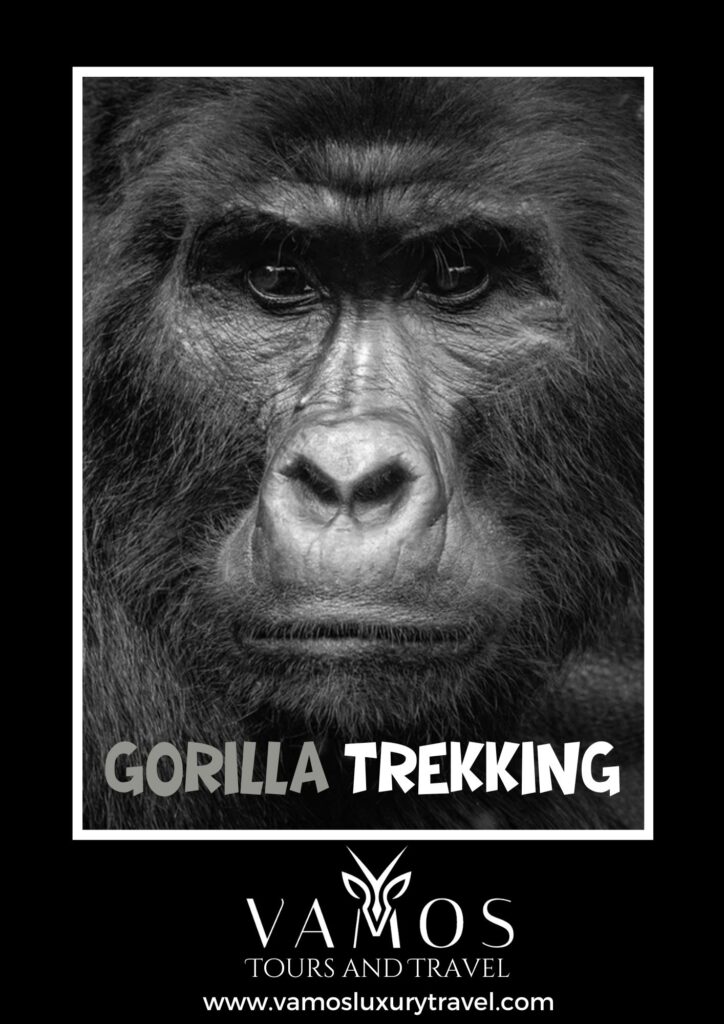
Uganda is one of the world’s best destinations for primate viewing, especially for gorilla trekking and chimpanzee tracking.
- Mountain Gorillas:
- Best Spot: Bwindi Impenetrable Forest and Mgahinga Gorilla National Park.
- What to Expect: Tracking mountain gorillas through thick rainforest is an exhilarating experience. Uganda’s gorilla trekking permits are relatively affordable compared to Rwanda, and it’s a truly intimate, once-in-a-lifetime encounter with one of the world’s most endangered species.
- Chimpanzees:
- Best Spot: Kibale National Park is the best place for chimpanzee trekking in Uganda. It’s known for its high density of chimps, and you can track them through the forest, watching them interact and feed.
- Other Primates: Uganda is also home to baboons, colobus monkeys, red-tailed monkeys, vervet monkeys, and l’Hoest’s monkeys. Budongo Forest (in Murchison Falls National Park) and Semuliki National Park are excellent places to spot other primate species.
3. Birdlife:
Uganda is a birdwatcher’s haven, with over 1,000 species of birds, many of which are rare or endemic.
- Shoebill Stork: One of the most sought-after birds, the shoebill can be spotted in Murchison Falls National Park or Lake Albert, where swampy habitats provide a perfect environment for them.
- The Great Blue Turaco: Found in the forests of Kibale and Bwindi, this vibrant bird is one of the country’s most iconic species.
- Endemic Species: Uganda has several endemic species, such as the Fox’s Weaver, Grey Crowned Crane, and Uganda’s national bird, the Crested Crane. Birding hotspots include Lake Mburo, Lake Bunyonyi, Bwindi Impenetrable Forest, and Semuliki.
4. Unique Wildlife Experiences:
Uganda offers opportunities to see some unique and rare animals:
- The Tree-Climbing Lions of Ishasha, part of Queen Elizabeth National Park, are a phenomenon where lions are often seen lounging in the branches of fig trees. It’s rare and a remarkable sight for visitors.
- Crocodiles and Hippos: These large reptiles can be seen basking in the sun or swimming in the Nile River, especially around Murchison Falls and Queen Elizabeth. The Kazinga Channel in Queen Elizabeth National Park is great for seeing hippos and crocodiles up close.
- Giant Forest Hog: These large, nocturnal pigs are rarely seen but can be found in places like Kibale National Park and Murchison Falls. Click on the image below for our flipfile catalogue or download the PDF below.
5. Other Notable Wildlife:
Uganda’s diversity extends far beyond the Big Five and primates, offering the chance to spot a broad range of animals:
- Giraffes: Uganda is home to the Masai giraffe, which can be seen in Murchison Falls National Park and Kidepo Valley.
- Zebras: These striking striped animals are found in Queen Elizabeth, Murchison Falls, and Lake Mburo.
- Antelopes: Uganda hosts several species of antelopes, including waterbucks, kobs, eland, and the Bohor reedbuck.
- Cheetah: Rare but present in Kidepo Valley National Park, cheetahs are one of the fastest land animals and a spectacular sight to catch during a safari.
6. Top National Parks and Wildlife Viewing Spots:
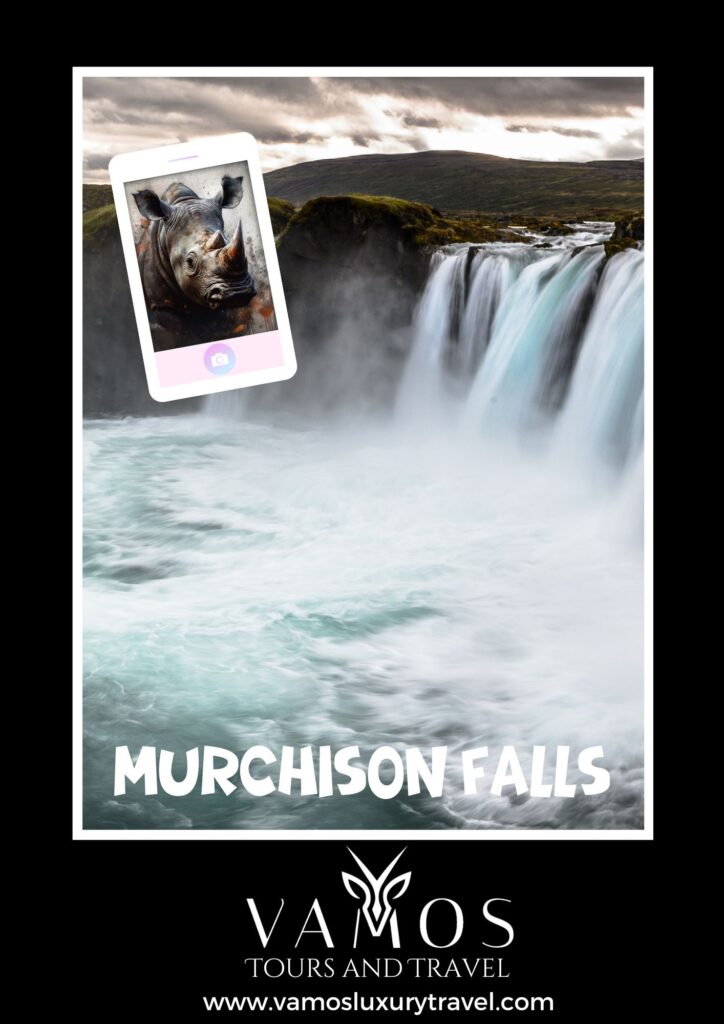
- Murchison Falls National Park: The largest and one of the most diverse parks, offering game drives, boat cruises along the Nile River, and hiking to the powerful Murchison Falls. Known for elephants, lions, leopards, giraffes, hippos, and crocodiles.
- Queen Elizabeth National Park: Known for its diverse wildlife, including the famous tree-climbing lions in Ishasha, as well as elephants, buffalo, leopards, and over 600 species of birds.
- Kidepo Valley National Park: Located in the far northeast, it is one of the most remote and untouched parks in Uganda, famous for its spectacular landscapes and large herds of elephants, lions, giraffes, and cheetahs.
- Lake Mburo National Park: Famous for its diverse wildlife, including zebras, impalas, and buffalo, as well as boat safaris for hippo and birdwatching.
- Bwindi Impenetrable Forest: The best place in the world to see mountain gorillas, and also home to several other primate species, plus birds and unique flora.
- Kibale National Park: The best place in Uganda for chimpanzee tracking and home to many other primate species, along with various forest-dwelling creatures.
- Semuliki National Park: Known for its rich biodiversity, including rare species like the bat-eared fox and pottos, and it’s one of the best places to see forest elephants.
7. Conservation Efforts:
Uganda has made significant strides in wildlife conservation, especially with endangered species like the mountain gorilla and rhinos. The establishment of Ziwa Rhino Sanctuary and continuous efforts to protect the mountain gorilla population have been pivotal. Gorilla tourism has also helped fund conservation efforts in places like Bwindi and Mgahinga.
Uganda also has a number of community-based conservation projects, such as those surrounding Lake Mburo and Queen Elizabeth National Park, where local communities benefit directly from tourism and sustainable wildlife management.
Summary of Wildlife Viewing Tips:
- Best Time for Wildlife: The dry seasons (June to September and December to February) are generally the best for game viewing in Uganda, with animals gathering around water sources and being easier to spot. However, Uganda can be visited year-round.
- Guided Safaris: A knowledgeable guide is essential, especially when tracking primates or navigating dense jungles like Bwindi or Kibale. Guides also help ensure responsible wildlife interaction.
- Activities: In addition to traditional game drives, try boat safaris, walking safaris, or night safaris to experience the wildlife from different perspectives.
Uganda’s wildlife offers a thrilling mix of classic African safaris and primate tracking in some of the world’s most biodiverse regions. Whether you’re following gorillas in the mist, witnessing the Great Migration in Kenya, or spotting rare bird species, Uganda promises a wild adventure like no other.
Would you like help planning your wildlife adventure in Uganda, or need more info on a particular park or animal?
]]>1. Gorilla Trekking in Bwindi Impenetrable Forest
- Why it’s Special: Bwindi is one of the best places in the world to see the critically endangered mountain gorillas. Trekking through dense forest, you get the chance to encounter these majestic creatures up close—an experience that’s both humbling and awe-inspiring.
- The Trek: Treks can last from a few hours to a full day, depending on where the gorillas are located. The experience involves a hike through dense vegetation, crossing rivers and navigating through steep terrain, making it an exciting and physically challenging activity.
- Best Time: Year-round, but the dry seasons (June to September and December to February) are ideal for easier trekking.
Click on the link below or the image to the flip catalogue.
2. Chimpanzee Tracking in Kibale Forest National Park
- Why it’s Special: Kibale is home to one of the highest densities of primates in the world, including habituated chimpanzee groups. Tracking these playful and intelligent creatures in their natural habitat is an exhilarating experience.
- The Trek: Unlike gorilla trekking, chimpanzee trekking is often a bit more challenging due to the forest’s dense undergrowth and hilly terrain, but the rewards are immense as you get to observe these primates in their natural environment.
- Additional Adventures: Kibale also offers other activities such as forest walks and bird watching, with over 300 species of birds.
3. Mountaineering in the Rwenzori Mountains
- Why it’s Special: The Rwenzori Mountains, often called the “Mountains of the Moon,” offer some of the most dramatic landscapes in Africa. With snow-capped peaks, glaciers, alpine meadows, and diverse flora, it’s a stunning area for trekking and mountaineering.
- The Trek: Rwenzori trekking is more technical than many other African mountain climbs, requiring good physical fitness and preparation. There are several routes of varying difficulty levels, but most routes take around 7–10 days to complete.
- Best Time: The best time to visit is during the dry seasons (June to September and December to February) when trekking conditions are more favorable.
4. Wildlife Safaris in Queen Elizabeth National Park
- Why it’s Special: This is one of Uganda’s most popular safari destinations, offering diverse landscapes and a wide variety of wildlife. With savannah, forests, and wetlands, Queen Elizabeth is home to elephants, lions, leopards, buffalo, and a vast array of bird species.
- The Adventure: Game drives, boat cruises on the Kazinga Channel (for hippo and birdwatching), and the opportunity to see tree-climbing lions in the Ishasha sector all add to the excitement. The park also offers walking safaris and cultural interactions with local communities.
- Best Time: Year-round, though the dry season (June to September) offers the best game-viewing opportunities.
5. White Water Rafting on the Nile River
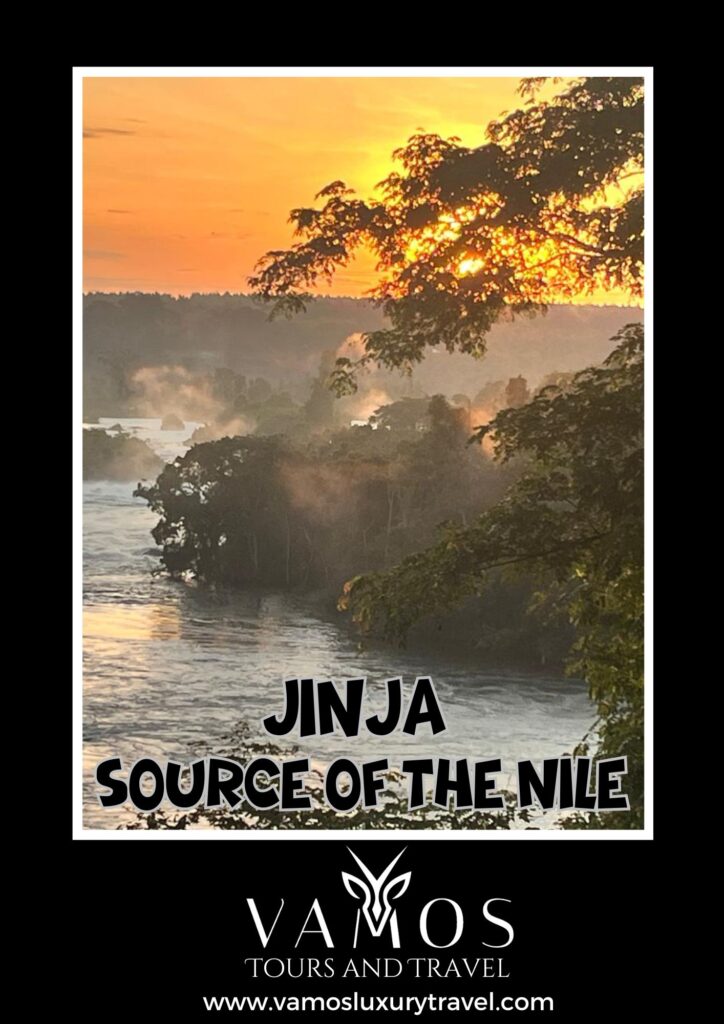
- Why it’s Special: Jinja, located near the source of the Nile, offers one of the best white-water rafting experiences in Africa. The rapids here range from class III to V, making it an exciting and adrenaline-pumping adventure for thrill-seekers.
- The Experience: You can opt for full-day or half-day rafting excursions, and while it’s physically demanding, the stunning scenery along the Nile provides a beautiful backdrop for this heart-racing adventure. If you prefer something less extreme, kayaking and boat tours are also available.
- Best Time: Year-round, although the rainy season (March to May) might make the rapids more intense.
Click on the image below to find our Adventure catalogue or download the PDF
6. Boat Safaris and Island-Hopping on Lake Mburo
- Why it’s Special: While Uganda’s big-game parks like Queen Elizabeth and Murchison Falls are often the main draw, Lake Mburo National Park offers a quieter, more unique experience. It’s one of the few parks where you can enjoy boat safaris, as well as walking safaris.
- The Adventure: On the lake, you can encounter crocodiles, hippos, and various bird species, including the endangered shoebill stork. The park also has areas for horseback riding safaris, offering an exciting and intimate way to explore the wildlife.
- Best Time: The dry season (June to September and December to February) is optimal for wildlife viewing.
7. Murchison Falls and the Nile
- Why it’s Special: Murchison Falls is one of the most spectacular waterfalls in Africa. The Nile River forces its way through a narrow gap, creating a powerful waterfall with a roar that can be heard from miles away. It’s an iconic sight in Uganda.
- The Adventure: Game drives through Murchison Falls National Park offer sightings of elephants, giraffes, lions, and buffalo. The boat ride along the Nile to the base of the falls is a popular experience to watch hippos, crocodiles, and a variety of bird species.
- Best Time: Year-round, but the dry season provides the best access and wildlife sightings.
8. Cultural Adventures and Community Visits
- Why it’s Special: Uganda is rich in cultural diversity with over 56 ethnic groups. Exploring Uganda’s cultures provides a deeper understanding of the country’s people, history, and traditions.
- Cultural Activities: Engage in village visits where you can meet local tribes like the Batwa (pygmy people), the Bakiga, or the Basoga. You can learn traditional music, dance, and cooking, and even participate in hands-on cultural experiences such as bead-making or basket-weaving.
- Best Time: Cultural activities can be enjoyed year-round, though it’s often best to plan with local communities to align with festivals and events.
9. The Sipi Falls in Eastern Uganda
- Why it’s Special: The Sipi Falls, located at the foot of Mount Elgon, is a series of three waterfalls set in a beautiful landscape. Hiking around Sipi Falls offers a wonderful mix of nature, adventure, and cultural immersion.
- The Trek: The trek through the surrounding forests and the villages near the falls takes you past scenic viewpoints, banana plantations, and waterfalls. It’s a relatively easy trek, but still offers a good mix of adventure and nature.
- Best Time: Best visited during the dry season (June to September) for a more comfortable trek.
10. Canoeing and Kayaking on Lake Bunyonyi
- Why it’s Special: Lake Bunyonyi is one of the most scenic spots in Uganda, with over 30 islands to explore. It’s an ideal spot for canoeing or kayaking, offering a peaceful yet adventurous way to discover Uganda’s natural beauty.
- The Experience: Paddle across the calm, clear waters of the lake, surrounded by terraced hillsides and lush landscapes. You can stop at some of the islands, such as the “Punishment Island” or visit local communities.
- Best Time: Year-round, but the dry season offers the best conditions for water-based activities.
How to Plan Your Adventure in Uganda:
- Guides: Uganda’s national parks and adventure activities are well-organized, and expert local guides will enhance your experience, ensuring both safety and insight into the wildlife, culture, and environment.
- Accommodations: Uganda has a range of options from luxury lodges and boutique hotels to more basic campsites and eco-lodges. Depending on your adventure, accommodations can range from tented camps to high-end, all-inclusive lodges.
- Transportation: Roads in Uganda can be bumpy, but a guided tour with private transport (4x4s or chartered flights) ensures comfort and efficiency. For more remote areas, internal flights can save time.
- Best Time to Visit: The dry seasons (June to September and December to February) are ideal for most activities, but some adventures like chimpanzee trekking or gorilla trekking can be done year-round.
Uganda offers an incredible mix of adrenaline and nature, combined with rich culture and stunning landscapes. Would you like more details on specific activities or help in planning a tailored adventure in Uganda?
]]>Ngamba Island: A Sanctuary for Chimpanzees and Eco-Tourism

Introduction Ngamba Island is a stunning sanctuary located on Lake Victoria in Uganda. Renowned for its dedication to chimpanzee conservation, the island offers visitors a unique opportunity to observe and learn about these incredible primates while enjoying the natural beauty of the island.
Chimpanzee Sanctuary Ngamba Island is home to the Ngamba Island Chimpanzee Sanctuary, which provides a safe haven for orphaned and rescued chimpanzees. Established in 1998, the sanctuary spans approximately 100 acres of rainforest, offering a natural habitat for the chimps to thrive.
Visitor Experience Visitors to Ngamba Island can engage in various activities that offer an enriching and educational experience:
- Chimpanzee Feeding: Observe the daily feeding sessions and watch the chimpanzees interact with each other and their environment.
- Guided Tours: Knowledgeable guides provide insightful information about the chimpanzees, their behaviors, and the conservation efforts in place to protect them.
- Forest Walks: Take a walk through the rainforest and learn about the island’s diverse flora and fauna.
- Overnight Stays: Accommodations are available for those who wish to extend their stay, offering a more immersive experience.
Eco-Tourism and Conservation Ngamba Island is a model for eco-tourism and sustainable conservation practices. The sanctuary is committed to:
- Wildlife Conservation: Protecting chimpanzees and their natural habitats through rescue efforts and public education.
- Community Involvement: Engaging with local communities to promote conservation and sustainable livelihoods.
- Environmental Education: Raising awareness about the importance of wildlife conservation and responsible tourism.
Getting There Ngamba Island is accessible by boat from Entebbe, which is about 23 kilometers away. The boat ride provides a scenic journey across Lake Victoria, enhancing the overall experience.
Conclusion Ngamba Island offers a unique blend of adventure, education, and conservation. Visitors not only get to witness the fascinating lives of chimpanzees but also contribute to the ongoing efforts to protect and preserve these remarkable animals. Whether it’s a day trip or an overnight stay, Ngamba Island promises an unforgettable eco-tourism experience.
]]>Uganda is home to half the world’s Mountain Gorilla population and the only country with tree climbing lions. Seeing these animals up close in their natural habitat is one of the most impressive wildlife encounters in Africa. Visiting the gorillas directly supports conservation efforts and livelihood of the host communities.
Mountain Gorillas of Bwindi: A Conservation Success Story
Introduction Bwindi Impenetrable National Park in southwestern Uganda is renowned for its population of mountain gorillas. These magnificent creatures are one of the world’s most endangered primates, and Bwindi is one of the few places where visitors can see them in their natural habitat. The park, a UNESCO World Heritage site, offers a unique and unforgettable experience for wildlife enthusiasts and conservationists.
Click on the itineraries below for more details on each one.


Habitat and Population Bwindi Impenetrable National Park is characterized by its dense rainforest, steep ridges, and valleys. This rugged terrain provides an ideal habitat for the mountain gorillas. The park covers an area of approximately 321 square kilometers and is home to nearly half of the world’s mountain gorilla population, estimated at around 459 individuals as of the latest census.
Gorilla Families and Trekking Bwindi is divided into four main sectors for gorilla trekking: Buhoma, Ruhija, Rushaga, and Nkuringo. Each sector is home to several habituated gorilla families that tourists can visit. Habituation is a process where gorillas become accustomed to human presence, allowing for safe and sustainable tourism.
- Buhoma: The oldest and most popular sector, known for its accessibility and established trekking routes.
- Ruhija: Offers a more remote and quieter experience with fewer tourists.
- Rushaga: Known for its higher number of habituated gorilla families, providing more trekking options.
- Nkuringo: Located in the southern part of the park, this sector is known for its challenging treks and stunning scenery.

Trekking Experience Gorilla trekking in Bwindi is a guided adventure that typically starts early in the morning. Small groups of tourists, led by experienced guides and trackers, set off into the forest to find a gorilla family. Treks can vary in length and difficulty, ranging from a few hours to a full day, depending on the location of the gorillas.
The experience of encountering mountain gorillas is unparalleled. Observing these gentle giants up close in their natural habitat, watching them feed, play, and interact, is both awe-inspiring and humbling. Strict guidelines are followed to ensure the safety and well-being of both gorillas and visitors, including maintaining a safe distance and limiting the time spent with the gorillas to one hour.
Conservation Efforts The conservation of mountain gorillas in Bwindi has been a remarkable success story, thanks to the combined efforts of the Ugandan government, international organizations, and local communities. Key initiatives include:
- Anti-Poaching Measures: Intensive anti-poaching patrols and law enforcement have significantly reduced the threat of poaching.
- Habitat Protection: Efforts to protect and expand the gorillas’ natural habitat have been crucial in ensuring their survival.
- Community Involvement: Local communities are actively involved in conservation efforts and benefit from tourism revenue through initiatives such as revenue sharing, employment opportunities, and community development projects.
- Research and Monitoring: Continuous research and monitoring help track gorilla health, behavior, and population dynamics, informing conservation strategies.
Visitor Guidelines To minimize the impact on gorillas and their habitat, visitors must adhere to specific guidelines:
- Maintain a distance of at least 7 meters (about 23 feet) from the gorillas.
- Do not eat, drink, or smoke near the gorillas.
- Avoid direct eye contact and sudden movements.
- Follow the guide’s instructions at all times.
- Visitors must be free of contagious diseases, such as colds or flu, to prevent transmitting illnesses to the gorillas.
Getting There Bwindi Impenetrable National Park is accessible by road and air. The park is approximately 460 kilometers from Kampala, Uganda’s capital, and the journey by road can take about 8 to 10 hours. Alternatively, visitors can fly from Entebbe International Airport or Kampala’s Kajjansi Airfield to airstrips near the park, followed by a short drive to the park’s headquarters.
Conclusion Bwindi Impenetrable National Park offers an extraordinary opportunity to encounter mountain gorillas in the wild. The success of conservation efforts in Bwindi is a testament to the power of collaborative action in protecting endangered species. A visit to Bwindi not only provides a once-in-a-lifetime wildlife experience but also contributes to the ongoing conservation of these incredible animals and their habitat.
More about the gorillas in Uganda
Ziwa Rhino Sanctuary: A Haven for Rhino Conservation

Introduction Ziwa Rhino Sanctuary is a renowned wildlife reserve in Uganda dedicated to the conservation of the endangered rhinoceros. Located approximately 176 kilometers north of Kampala, near Nakitoma Village in Nakasongola District, the sanctuary provides a safe haven for rhinos and offers visitors a unique opportunity to see these majestic creatures up close in their natural habitat.
Conservation Efforts Established in 2005, Ziwa Rhino Sanctuary was created as part of a broader initiative to reintroduce rhinos to Uganda, where they had been extinct since the 1980s due to poaching and civil unrest. The sanctuary is managed by the Rhino Fund Uganda and the Uganda Wildlife Authority. It spans approximately 70 square kilometers of savannah and woodlands, offering a secure environment for rhinos to live and breed.
Rhino Population The sanctuary started with the introduction of a few southern white rhinos and has since seen successful breeding, with the population steadily increasing. The ultimate goal is to release these rhinos into Uganda’s national parks once their numbers are sufficient and their safety can be ensured.
Visitor Experience Visitors to Ziwa Rhino Sanctuary can engage in various activities that enhance their understanding of rhino conservation and the broader ecosystem:
- Rhino Trekking: Guided treks allow visitors to observe rhinos in the wild, providing an up-close and personal experience. Knowledgeable guides share insights about rhino behavior, conservation efforts, and the challenges these animals face.
- Bird Watching: The sanctuary is home to over 300 bird species, making it a paradise for bird enthusiasts. Notable species include the Shoebill stork, African fish eagle, and various kingfishers and weavers.
- Nature Walks: Explore the sanctuary’s diverse landscapes on foot, learning about the local flora and fauna. These walks offer the chance to see other wildlife, such as antelopes, monkeys, and reptiles.
- Shoebill Trek and Canoe Ride: For a unique adventure, visitors can embark on a trek to spot the rare Shoebill stork, followed by a canoe ride through the Lugogo Swamp, offering a different perspective on the sanctuary’s ecosystem.
Accommodation and Facilities Ziwa Rhino Sanctuary offers various accommodation options to suit different preferences and budgets:
- Amuka Lodge: A comfortable lodge located within the sanctuary, offering well-appointed rooms, a restaurant, a bar, and a swimming pool.
- Camping: For those who prefer a more rustic experience, the sanctuary provides designated camping areas with basic facilities.
Community Involvement and Education Ziwa Rhino Sanctuary works closely with local communities to promote conservation and sustainable development. Educational programs aim to raise awareness about the importance of wildlife conservation and involve local schools and community groups. The sanctuary also provides employment opportunities for local residents, contributing to the community’s economic well-being.
Getting There Ziwa Rhino Sanctuary is accessible by road from Kampala, with the journey taking approximately 2.5 to 3 hours. The drive offers scenic views of Uganda’s countryside, enhancing the overall travel experience.
Conclusion Ziwa Rhino Sanctuary is a vital conservation area dedicated to the protection and breeding of rhinos in Uganda. It provides visitors with an unforgettable wildlife experience while contributing to important conservation efforts. Whether trekking to see rhinos, bird watching, or enjoying the natural beauty of the sanctuary, a visit to Ziwa Rhino Sanctuary is both educational and inspiring, showcasing the importance of preserving endangered species and their habitats.
]]>Introduction Safaris offer an unparalleled opportunity to explore the wild and witness the beauty of nature up close. These guided excursions into wildlife reserves and national parks are designed to provide an immersive experience, allowing participants to observe and appreciate a variety of animals in their natural habitats.
Types of Safaris
- Game Drives: These are typically conducted in open 4×4 vehicles, offering excellent visibility for spotting wildlife. Game drives are often scheduled for early morning or late afternoon when animals are most active.
- Walking Safaris: Led by experienced guides, walking safaris provide a more intimate connection with nature. Participants can learn about animal tracks, plant life, and smaller creatures that are often overlooked during vehicle-based safaris.
- Boat Safaris: Conducted on rivers or lakes, boat safaris offer a unique perspective, particularly for observing aquatic animals like hippos, crocodiles, and various bird species.
- Night Safaris: These safaris take place after sunset and offer the chance to see nocturnal animals such as lions, leopards, and various small predators.
Popular Safaris in Africa include
Known as the quintessential safari destination, Africa boasts numerous famous parks and reserves, including the
- Serengeti,
- Masai Mara,
- Kruger National Park
- Okavango Delta
- Uganda
- Tanzania
Wildlife to Expect Depending on the destination, safari-goers can expect to see a wide variety of animals:
- Big Five: The lion, leopard, rhinoceros, elephant, and Cape buffalo are collectively known as the Big Five and are often the highlight of African safaris.
- Birds: Safaris also offer excellent birdwatching opportunities, with species ranging from large raptors to colorful songbirds.
- Other Mammals: Giraffes, zebras, hippos, and various antelope species are commonly sighted.
Conservation and Sustainability Modern safaris emphasize conservation and sustainability. Many safari operators work closely with local communities and conservation organizations to protect wildlife and their habitats. Ethical tourism practices are promoted, ensuring that wildlife is observed responsibly and that the impact on the environment is minimized.
Conclusion Safaris provide a thrilling and educational adventure, allowing participants to connect with nature and witness the majesty of wildlife in their natural settings. Whether it’s the excitement of spotting the Big Five in Africa, the tranquility of a river safari, or the unique experiences offered in other parts of the world, safaris remain a bucket-list activity for nature enthusiasts and adventure seekers alike.
]]>Uganda Wildlife Education Centre: A Hub for Conservation and Education
Introduction The Uganda Wildlife Education Centre (UWEC), located in Entebbe, is a premier institution dedicated to wildlife conservation, education, and research. Established in 1952 as a sanctuary for injured and orphaned animals, UWEC has grown into a leading center for wildlife education and conservation in Uganda.

Mission and Vision UWEC’s mission is to educate the public about Uganda’s wildlife heritage and the importance of conserving natural ecosystems. The center aims to inspire and engage visitors in wildlife conservation through interactive and informative experiences.
Key Features and Attractions
- Animal Exhibits: UWEC houses a wide variety of animals native to Uganda, including lions, giraffes, chimpanzees, elephants, and numerous bird species. The exhibits are designed to mimic the animals’ natural habitats, providing an immersive experience for visitors.
- Chimpanzee Close-Up: Visitors can enjoy an up-close encounter with chimpanzees, learning about their behavior, social structures, and the challenges they face in the wild.
- Behind-the-Scenes Tours: These tours offer a deeper understanding of the center’s operations, including animal care, veterinary procedures, and conservation efforts.
- Educational Programs: UWEC provides a range of educational programs for schools, families, and tourists. These programs include guided tours, interactive exhibits, and conservation workshops aimed at raising awareness about wildlife and environmental issues.
- Nature Walks: Guided nature walks offer visitors the chance to explore the center’s diverse flora and fauna, including medicinal plants, butterflies, and reptiles.
- Botanical Gardens: The center also features well-maintained botanical gardens showcasing Uganda’s rich plant diversity.
Conservation and Research UWEC plays a crucial role in wildlife conservation and research:
- Rescue and Rehabilitation: The center rescues and rehabilitates injured, orphaned, and confiscated animals, providing them with the care they need before releasing them back into the wild whenever possible.
- Breeding Programs: UWEC participates in breeding programs for endangered species to help boost their populations and ensure their survival.
- Research Initiatives: The center conducts and supports research on wildlife behavior, health, and conservation strategies, contributing valuable knowledge to the field of wildlife management.
Community Involvement UWEC is actively involved in community outreach programs, working closely with local communities to promote conservation and sustainable living. These initiatives include:
- Educational Outreach: Visiting schools and communities to educate about wildlife conservation and the importance of protecting natural habitats.
- Livelihood Programs: Supporting local communities with alternative livelihood projects that reduce reliance on activities harmful to wildlife and the environment.
Visiting UWEC The Uganda Wildlife Education Centre is conveniently located near Entebbe International Airport, making it easily accessible for both local and international visitors. The center is open year-round and offers a variety of visitor packages, including day visits, overnight stays, and special events.
Conclusion The Uganda Wildlife Education Centre is a vital institution for wildlife conservation and education in Uganda. By providing engaging and informative experiences, UWEC fosters a greater understanding and appreciation of Uganda’s rich biodiversity and the need to protect it for future generations. A visit to UWEC is not only an educational journey but also a contribution to the ongoing efforts to preserve Uganda’s natural heritage.
]]>